INFOMATIONAbout House tour and move-in

Live with Japanese People
- JP
- EN

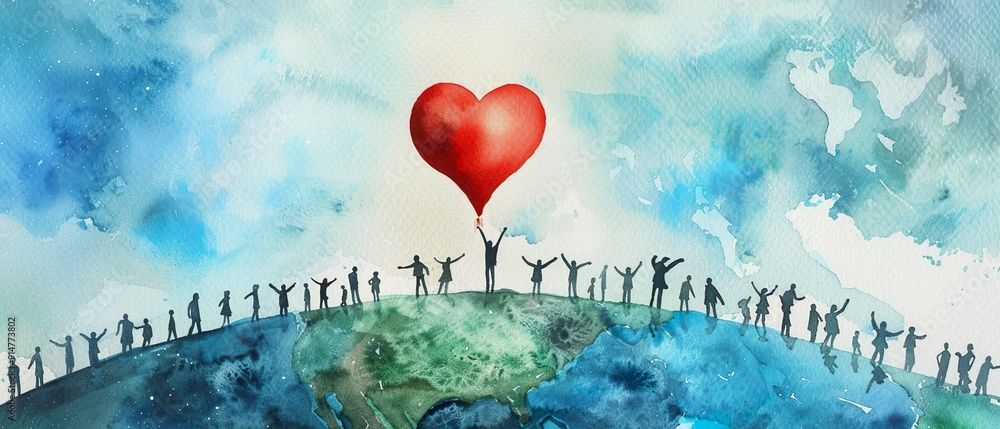
Founder Interview Part 5|From Social Action in Shibuya to Sending Young Ambassadors to the United Nations
2020-04-04
Good evening! I’m Yasuko Nagase, founder and CEO of Come on UP, one of the early pioneers of international share houses in Japan. Back in 2006, when the idea of a “share house” was still unfamiliar to many people in Japan, I started this journey. This is Part 5 of my story.
Alongside running Come on UP, I have also been involved in several other activities, including the Junior Chamber in Shibuya. These experiences have influenced the path of Come on UP in many ways.

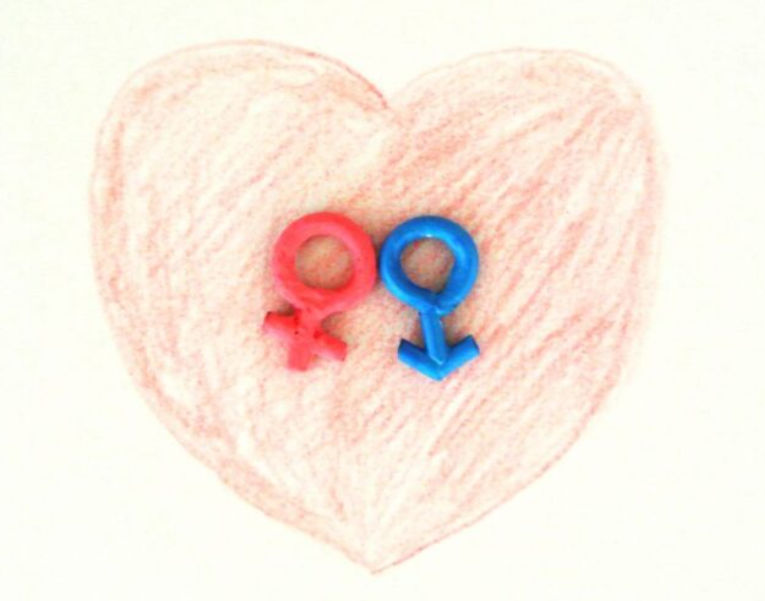
Organizing a Campaign to Raise Awareness of Male Infertility
The Junior Chamber (JC) is an organization where young business leaders voluntarily participate in community service, youth development, and other social projects. There are local chapters throughout Japan.
For me, it also became an important source of support. Through other members, I could exchange ideas about running a business, encourage one another, and learn from people facing similar challenges.
Of all the projects I worked on there, two remain particularly memorable.
One was a campaign event about infertility treatment.
Infertility is often viewed mainly as a women’s issue, and in many cases women are the ones who go through medical examinations and treatment. But male factors, including conditions such as azoospermia, can also be a cause.
To raise awareness of male infertility, I planned a forum featuring musician Diamond Yukai, who had personally undergone treatment for azoospermia.
We decided to ask Shibuya City to support the event and TENGA Co., Ltd. to become a sponsor.
TENGA is widely known for adult wellness products, but the company also actively promotes more open and healthy conversations about sexuality. I thought that collaborating with them on a male infertility campaign would be meaningful—and would certainly attract attention.
For the venue, I approached Tokyu and suggested Shibuya Hikarie, which had only recently opened at the time. Their response was positive: “That sounds interesting!”
I thought everything was going well.
“I Think You’ve Misunderstood!”—Confronting the Mayor of Shibuya
Then, just one week before the event, I suddenly received a call from Tokyu:
“We may not be able to use Hikarie.”
I was shocked.
Apparently, the Mayor of Shibuya had contacted Tokyu’s president directly, without going through me, saying that Shibuya City could not have its name displayed alongside TENGA.
I couldn’t believe it.
I went straight to the mayor’s office and said, “Just give me five minutes.” I hit the desk with my hand and told him:
“I think you’ve misunderstood. Please read the proposal properly again.”
When I contacted TENGA and explained what had happened, I expected them to be angry. Instead, they responded calmly:
“We understand. If we create conflict with Shibuya City now, it could cause problems for us in the future too. We would rather avoid that, so please try to resolve it peacefully.”
Their response surprised me. They understood their position very well, and I genuinely respected the way they handled the situation.
Even as the event date approached, the mayor’s position did not change. But we had worked too hard to cancel the event, and I did not want to waste the support we had received from TENGA and Tokyu.
So after a lot of discussion, we removed the words “Supported by Shibuya City” from the program and held the event as planned.
It was a difficult decision, but the event was a great success.
Being able to connect TENGA and Tokyu—two companies sincerely trying to address a social issue—and bring the event to life gave me a great deal of confidence.
How 3/11 Led to the Youth UN Ambassador Program
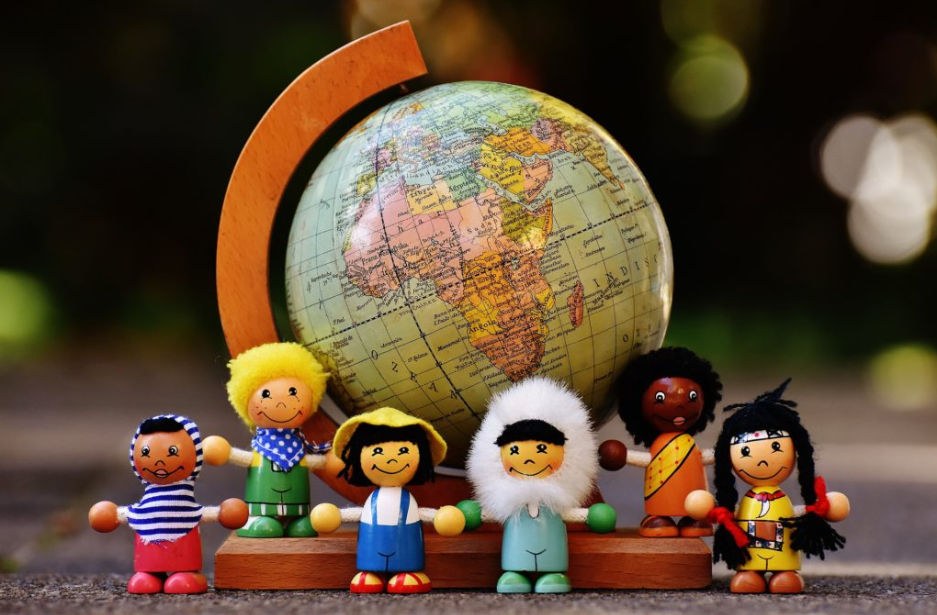
Another project that left a strong impression on me was a program that sent children to United Nations Headquarters to learn about global issues such as hunger and poverty.
The project began because of the Great East Japan Earthquake on March 11, 2011.
At the time, I had been involved in support projects for developing countries overseas. But when I heard about the disaster, my immediate reaction was:
“This isn’t the time to focus on overseas projects.”
I put those activities aside and went straight to the disaster-affected areas of Tohoku to volunteer.
What surprised me when I arrived was that support was coming to Japan even from countries facing severe poverty and diseases such as malaria themselves.
People around the world had seen what Japan was going through and wanted to help.
That deeply moved me.
“This is exactly when Japanese people should feel how connected we are to the rest of the world. What can I do to help make that happen?”
I began thinking seriously about it.
Remembering the “Doll Exchange Ambassadors”
Then I suddenly remembered an experience from my own childhood.
When I was eight years old, I traveled to the United States as part of a program called the “Doll Exchange Ambassadors.”
The program sent children between Japan and the United States to exchange dolls as symbols of peace and friendship. Its origins went back to the prewar period.
During World War II, however, many of the dolls that had been exchanged were destroyed simply because they came from an enemy country.
But some people chose to protect them, saying:
“The dolls are not to blame. The feelings of the children were real.”
After the war, those preserved dolls were restored, and the exchange program was revived as a symbol of friendship between Japan and the United States.
I was one of the children who traveled to America through that revived program.
I still remember seeing a much bigger world than I had known before and thinking:
“Someday, I want to become a bridge between Japan and the world.”
The Young Ambassadors Take the Stage
I began thinking:
“What if more children could see the wider world the way I did? Could we create a modern program inspired by the Doll Exchange Ambassadors?”
That idea became the Youth UN Ambassador Program.
The children selected as ambassadors from different parts of Japan were given a mission. After returning from the United States, they had to share what they had seen and learned—by speaking at school, presenting to their communities, or appearing in local newspapers, television, or radio.
In the first year, we sent 10 children.
They carried out their missions beautifully, and through media coverage, their stories reached tens of thousands of people.
The program was well received and continued annually. By the ninth year, around 30 young ambassadors were being selected from different prefectures across Japan each year.
These projects may seem separate from running a share house company, but for me they are connected by the same idea: giving people opportunities to meet different worlds, different values, and different people.

In the next and final interview, Part 6, we’ll talk about the future of Come on UP—and the dreams I still hope to pursue.


 Instagram
 Twitter
 Facebook
 Note
多様性を楽しみ、ゆったり暮らす。
シェアハウスならカモンアップ
©2022 Come on up inc.