INFOMATIONAbout House tour and move-in

Live with Japanese People
- JP
- EN


Living Alone in Japan Is Free. But Can It Feel Lonely? ~ Column|Share House and Apartment vol.1 ~
2026-09-29
In our previous column series, we looked at the financial side of housing—rent, initial costs, utilities, and the overall cost of living.
But money is not the only thing that matters when choosing where to live.
You come home from work or school.
You open the door.
Turn on the lights.
Eat dinner.
Scroll through your phone.
Then go to bed.
You do not have to worry about anyone else.
Hello! Come on UP operates small, community-focused international share houses in Tokyo, Yokohama, Osaka, and Kyoto, where Japanese and international residents can naturally connect. Each house has its own concept and atmosphere, creating opportunities for new encounters and a new way of living in Japan.
That freedom is one of the biggest advantages of living alone. But especially after moving to a new country, you may also have evenings when you suddenly realize:
“I haven’t really talked to anyone outside of work or school today.”
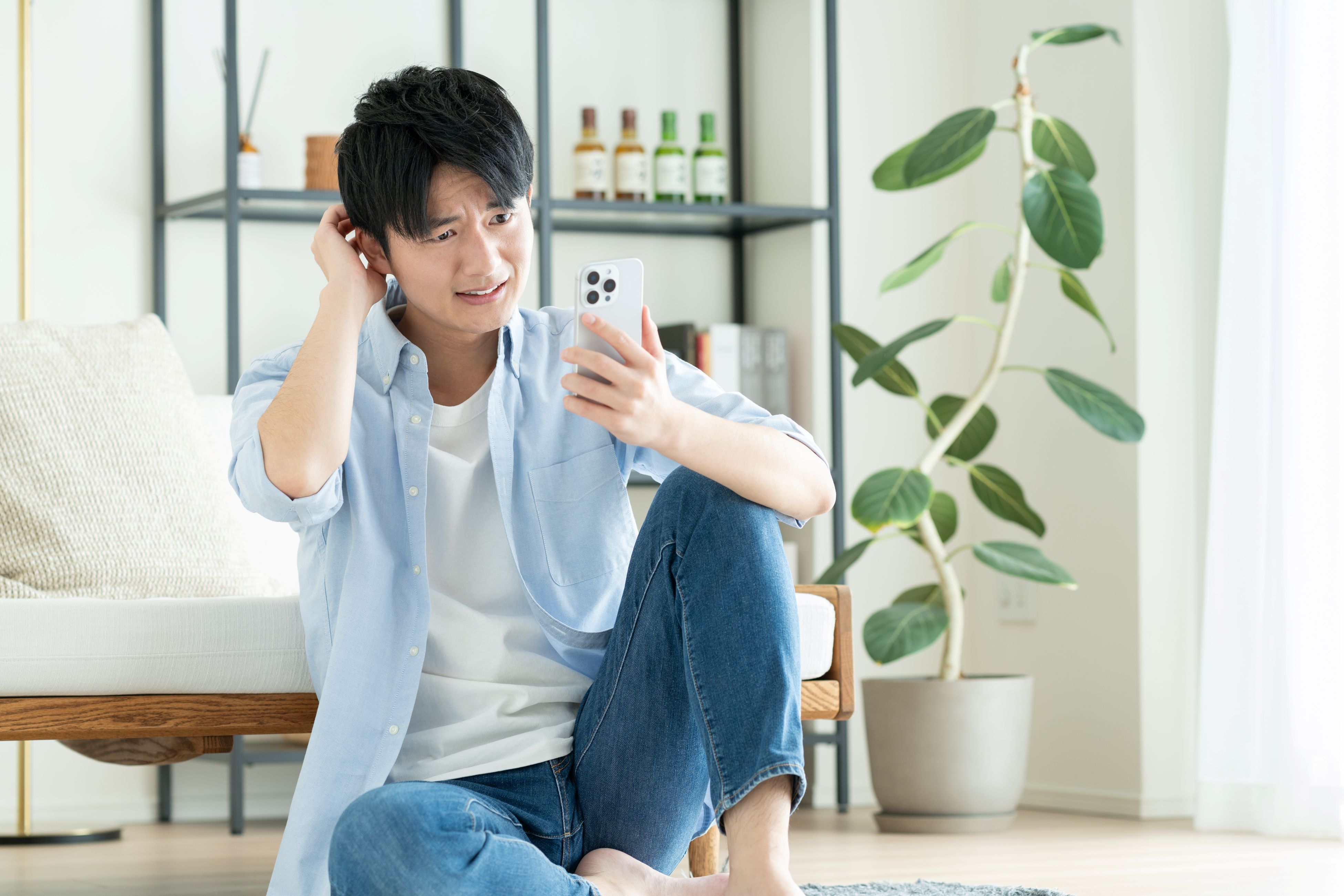
Is Living Alone Becoming Normal in Japan?
Living alone is extremely common in Japan.
According to projections by the National Institute of Population and Social Security Research, single-person households accounted for 38.0% of general households in 2020 and are projected to reach 40.1% in 2025 and 44.3% in 2050.
In other words, a lifestyle where you return home to an empty apartment is becoming increasingly common. Of course,
living alone does not automatically mean being lonely.
Many people enjoy having their own space while maintaining strong relationships with friends, family, coworkers, or classmates.
But especially when you have just arrived in Japan, “having your own place” and “having people around you” can become two very different things.
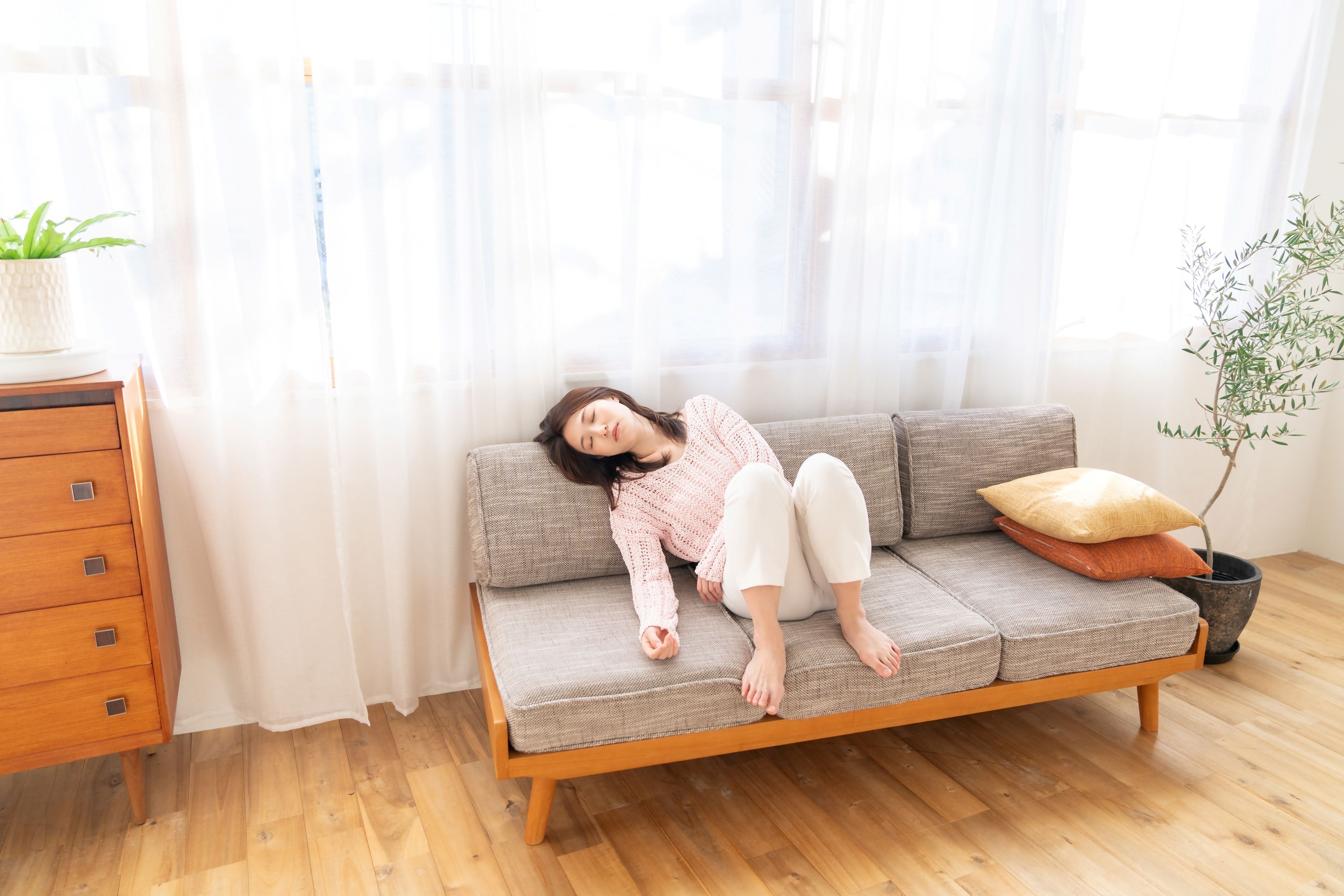
Do Young People Feel Lonely Too?
A 2024 Japanese government survey on loneliness and social isolation found that around 40% of respondents reported feeling lonely to some degree.
The percentage of people answering that they felt lonely “often or always” was relatively high among people in their 20s and 30s.
This does not mean that living alone causes loneliness. But when you move to Japan for work, study, or a working holiday, it can be surprisingly easy to end up in a situation where:
you meet people every day, but do not yet have anyone you can casually talk to.

What Changes When Someone Says “Welcome Home”?
One of the main characteristics of a share house is not that there is always an event or party happening.
It is the possibility of small, unplanned interactions.
You meet someone in the kitchen and hear:
“Long day?”
Someone is cooking dinner and asks:
“Do you want some?”
On Friday night, someone says:
“Anyone doing anything tomorrow?”
These are not scheduled social events. They are simply conversations that happen because people share the same home.
At Come on UP, residents may watch movies together, share meals, play games, or simply talk in the living room. Often, friendships grow from these ordinary moments rather than from large events.
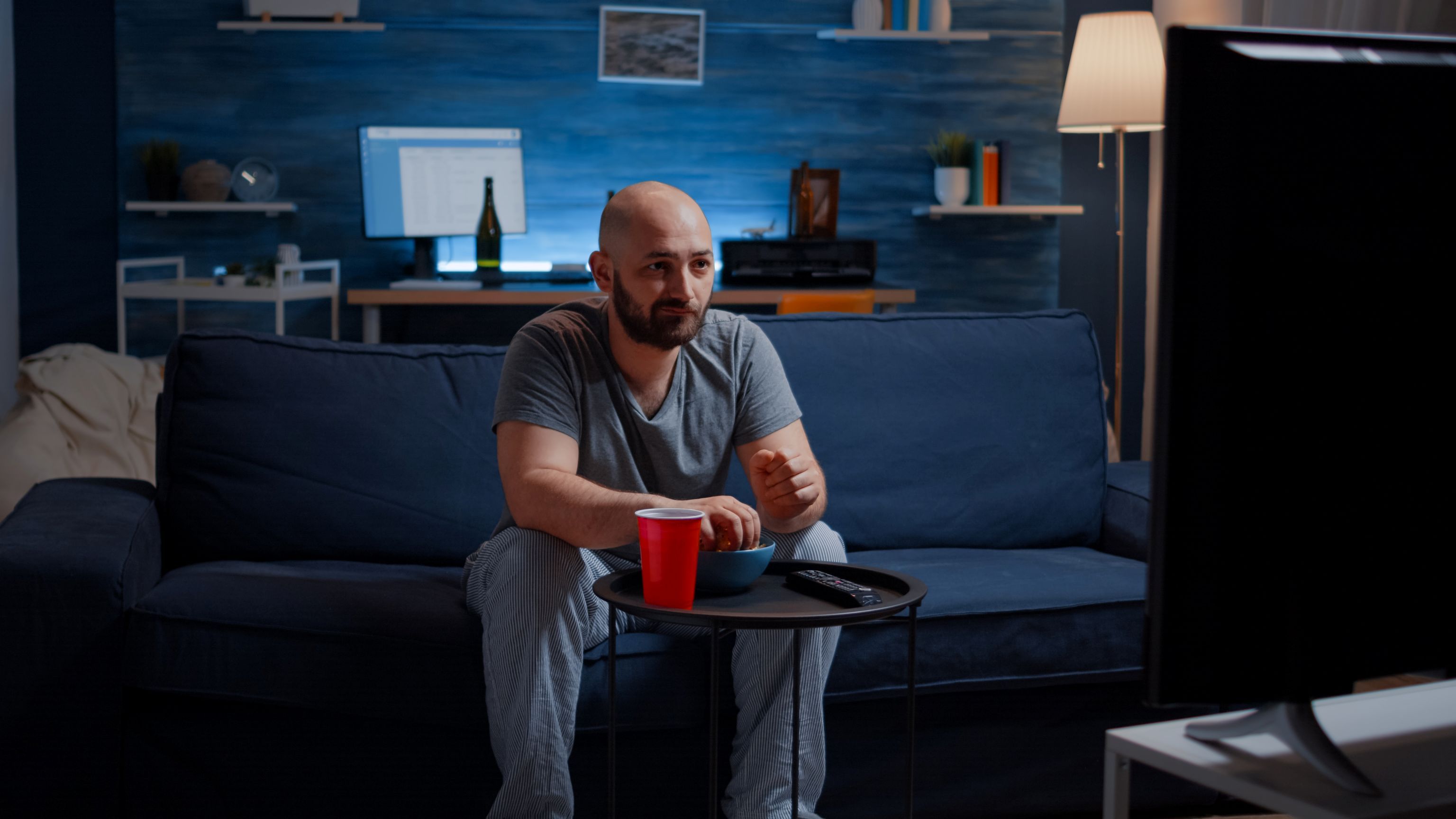
But What If You Don’t Want to Socialize Every Day?
This is important:
living in a share house does not mean you have to be social all the time.
→ Maybe today you are tired and want to stay in your room.
→ Tomorrow, you feel like chatting in the living room.
→ On the weekend, you might go somewhere with your housemates.
In a private-room share house, you can choose.
Come on UP mainly operates smaller houses with around 5 to 9 residents, where each resident has their own private room while sharing spaces such as the kitchen and living room. That means you can have both:
a place to be alone, and a place where connection is available when you want it.

Living Alone or Share House: Which Is Better?
There is no single correct answer. If having complete quiet and independence at home is your top priority, living alone may suit you better.
But if you have just moved to Japan and you want to:
◎ Meet new people
◎ Make Japanese friends
◎ Connect with people from different countries
◎ Have someone to talk to when you get home
then a share house can be another option worth considering. The important question is not simply:
“Should I live alone or in a share house?”
It is:
“What kind of everyday life do I want to have in Japan?”
In the next article, we’ll look at another common concern:
“If I live in a share house, will I lose my privacy?”
▼References


 Instagram
 Twitter
 Facebook
 Note
多様性を楽しみ、ゆったり暮らす。
シェアハウスならカモンアップ
©2022 Come on up inc.