INFOMATIONAbout House tour and move-in

Live with Japanese People
- JP
- EN


Who Is a Share House Right For? 6 Things to Consider Before Moving In ~ Column|Share House and Apartment vol.4 ~
2026-10-20
So far, we have looked at:
loneliness and human connection, privacy, and the realities of sharing chores.
Which brings us to the biggest question:
Who is actually suited to living in a share house?
Hello! Come on UP operates small, community-focused international share houses in Tokyo, Yokohama, Osaka, and Kyoto, where Japanese and international residents can naturally connect. Each house has its own concept and atmosphere, creating opportunities for new encounters and a new way of living in Japan.
The answer is:
share houses are not the right home for everyone.
For some people, living alone will be much more comfortable.
1. Do You Want People Around You—At Least Sometimes?
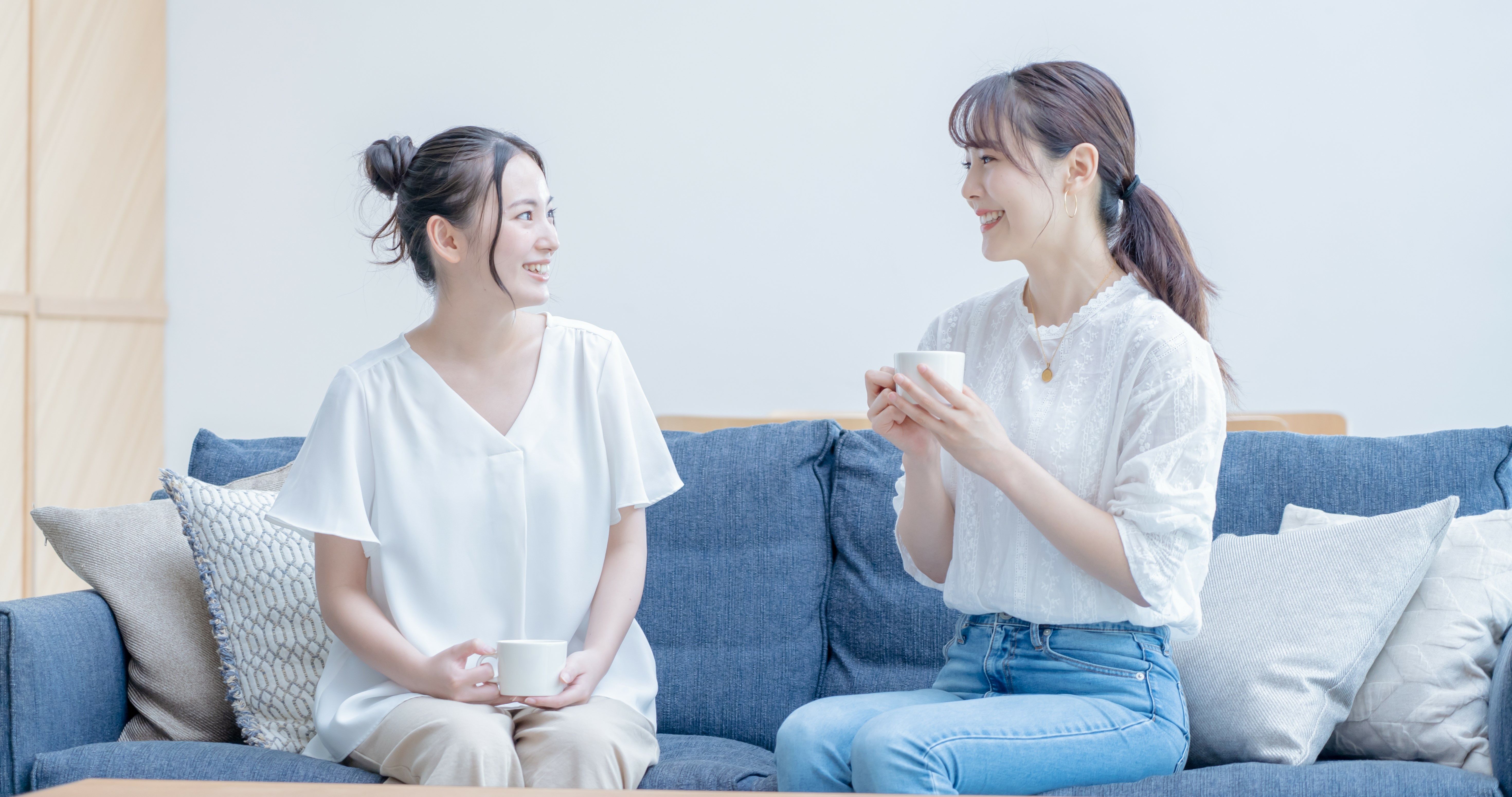
If you want to come home and know that nobody will speak to you, living alone may suit you better. But if you think:
“I don’t need to socialize every day, but it would be nice to have someone around sometimes,”
then a share house may work well. The real question is not:
“Am I a social person?”
It is:
“Would I enjoy having other people naturally present in my everyday life?”
This can be especially important when you first move to Japan and do not yet have a large local network.
2. How Sensitive Are You to Other People’s Noise?
Other people live in the house.
You may hear:
doors opening, someone cooking, people walking in the hallway, or conversations in the living room.
Complete silence can be difficult. If you are extremely sensitive to noise or need very quiet surroundings at home, a private apartment may suit you better.
During a viewing, do not only check the size of your room. Ask yourself:
“What would this room feel like when everyone else is home?”

3. Are You Curious About People Who Are Different From You?
International share houses bring together people with different:
nationalities, ages, jobs, food cultures, daily schedules, and values.
Come on UP houses also include residents with a wide variety of backgrounds from Japan and overseas. If your reaction to differences is:
“That’s interesting—I’ve never thought about it that way.”
you are more likely to enjoy communal living. For many international residents, this is also one of the biggest attractions of living in a share house in Japan.
You are not only learning about Japanese culture. You may end up learning about France, Taiwan, Chile, Germany, Korea, or somewhere completely unexpected over dinner.
4. Can You Let Go of Some of Your Own “Common Sense”?
“The kitchen should be cleaned every day.”
“11 p.m. is late.”
“Cooking smells do not bother me.”
“It is normal to invite friends over.”
These things may feel obvious to you. But they are not universal. In shared living:
your normal is not automatically everyone else’s normal.
The goal is not necessarily to avoid every disagreement. It is to be able to communicate when something happens.

5. Are You Starting a New Chapter in Japan?
A new job.
University.
Language school.
A working holiday.
Moving from another country to Japan.
Major life changes often mean rebuilding not only your daily routine but also your social circle. In that situation, living somewhere with a built-in community can be valuable.
You may arrive knowing nobody in the city, but instead of returning each night to an empty apartment, you already have a few familiar faces around you.
6. What Do You Actually Want From Your Home?
This may be the most important question.
Is your home simply:
a place to sleep?
Or is it:
a place where part of your life happens?
Living alone offers freedom and complete independence. A share house offers opportunities for connection. Both have advantages and disadvantages.
At Come on UP, the aim is not to create a huge dormitory where dozens of people are constantly socializing. Our model is mainly:
private rooms + small communities of around 5 to 9 people.
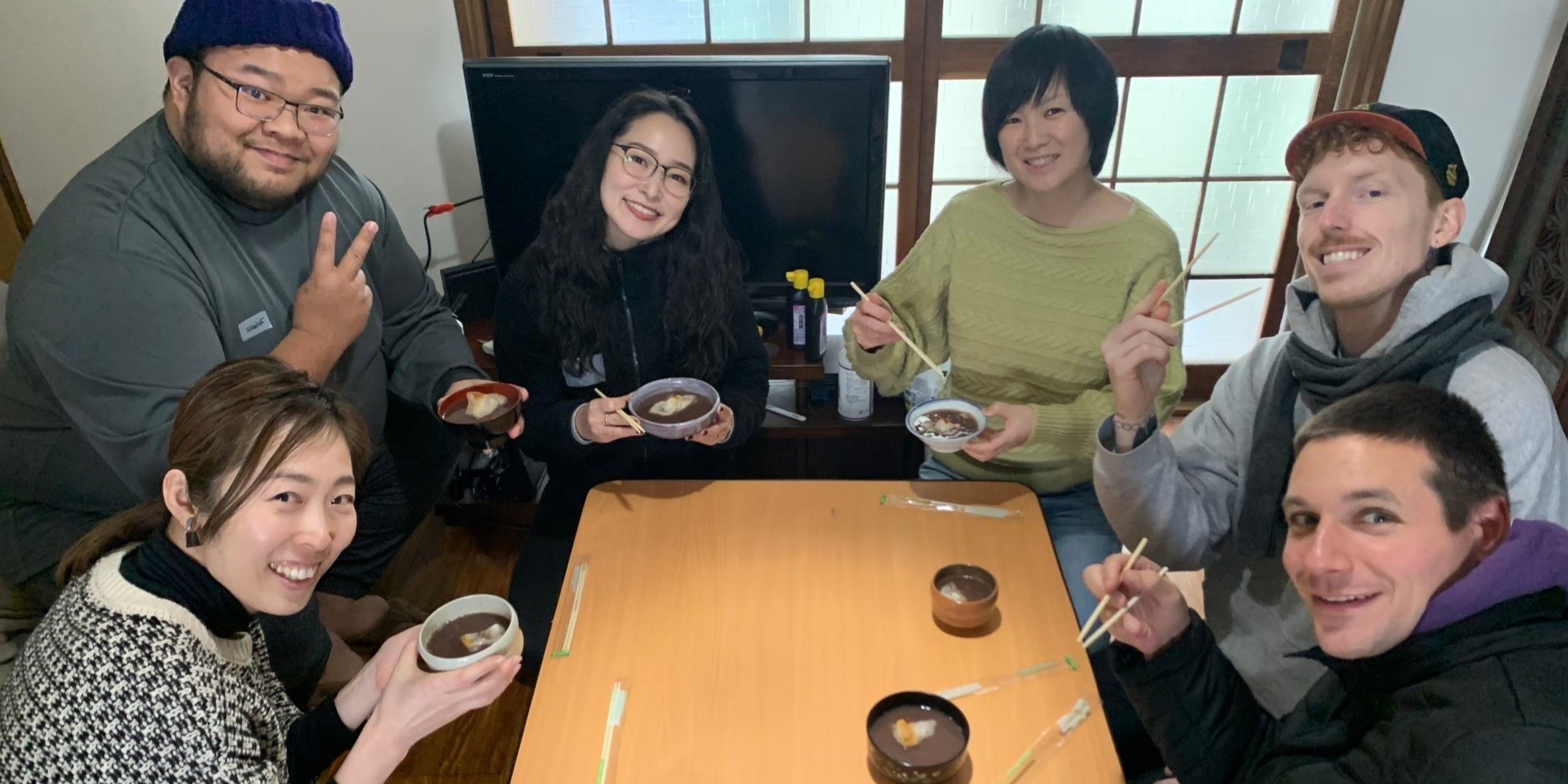
You can spend a quiet night in your room. You can go into the living room when you feel like talking. You might try food from a country you have never visited. You might hear about a career completely different from your own.
Small, unexpected encounters become part of everyday life.
Don’t Just Look at the Room During a Viewing
When choosing a share house, you will naturally ask:
・How far is it from the station?
・How much is the rent?
・How big is my room?
All of these are important. But they do not tell you what living there will actually feel like. Also ask:
◎ Who currently lives here?
◎ How do residents normally use the living room?
◎ How social is the house?
◎ Does the atmosphere feel comfortable to me?
Choosing a home is not only about:
“Which room should I rent?”
It is also about:
“What kind of everyday life do I want to create while I’m in Japan?”
Living alone and living in a share house are simply two different ways of answering that question.


 Instagram
 Twitter
 Facebook
 Note
多様性を楽しみ、ゆったり暮らす。
シェアハウスならカモンアップ
©2022 Come on up inc.