INFOMATIONAbout House tour and move-in

Live with Japanese People
- JP
- EN


Is Housework Easier in a Share House? Why “Someone Else Will Do It” Can Become a Problem ~ Column|Share House and Apartment vol.3 ~
2026-10-13
A refrigerator.
A washing machine.
A microwave.
A dining table.
In a share house, many everyday items are already there and shared among residents. You do not need to buy everything yourself when you arrive in Japan. That is convenient. But does that also mean:
someone else will clean everything for you?
Hello! Come on UP operates small, community-focused international share houses in Tokyo, Yokohama, Osaka, and Kyoto, where Japanese and international residents can naturally connect. Each house has its own concept and atmosphere, creating opportunities for new encounters and a new way of living in Japan.
The answer is:
Not necessarily.

When You Live Alone, You Know Who Made the Mess
Living alone is very simple in one sense.
The kitchen is dirty. → It was probably you.
There is hair in the sink. → Also probably you.
The trash bin is full. → If you do not take it out, no one will.
It may be annoying, but responsibility is clear.
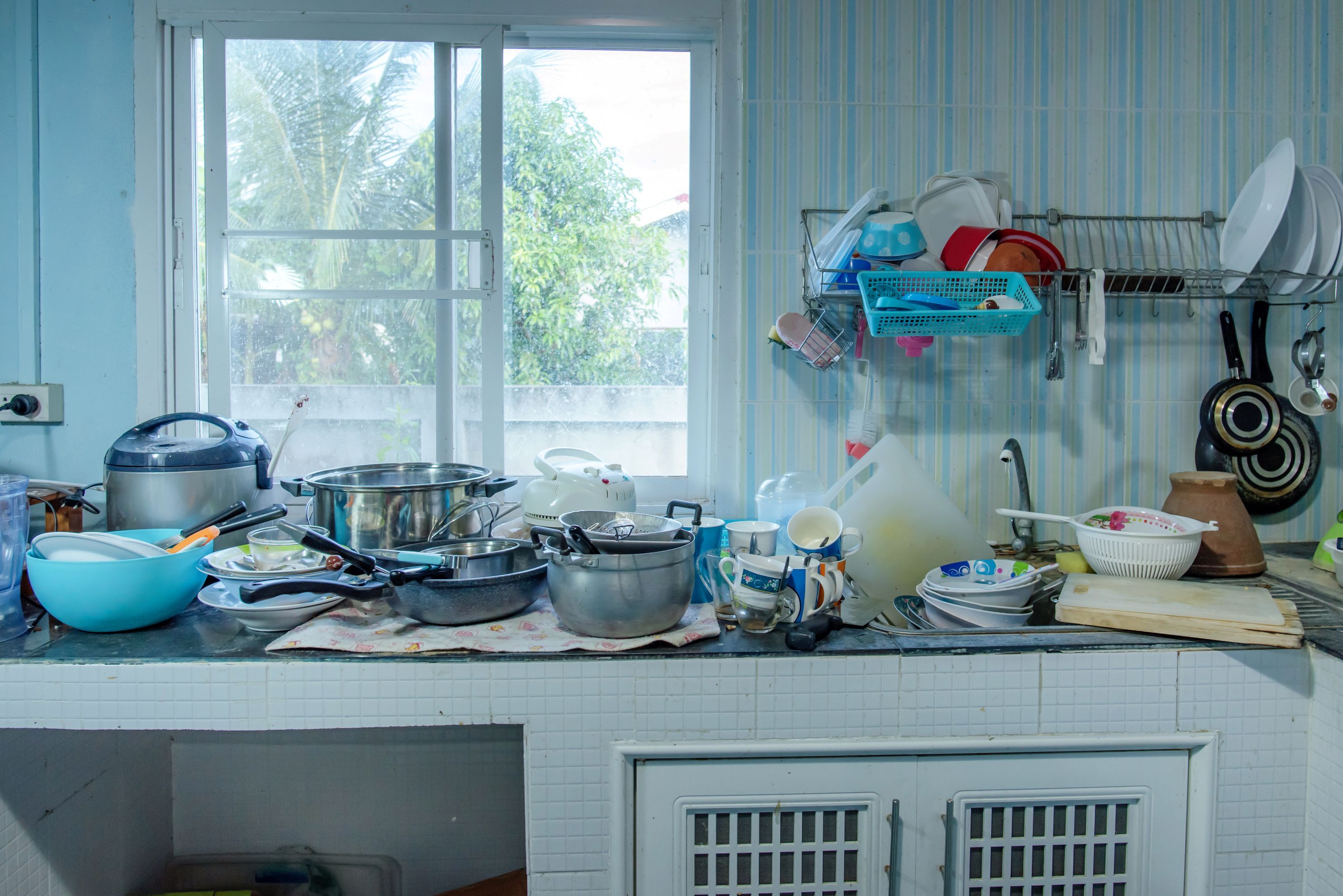
In a share house, things become more complicated. A few crumbs remain on the table. Oil splashes stay around the stove. An empty bottle of detergent somehow returns to the shelf.
Each problem is small.
But when small frustrations build up, they can become a source of conflict.
Does “Whoever Notices It Should Clean It” Actually Work?
Ideally: someone notices something is dirty, cleans it, and the problem is solved.
But people have different definitions of “clean.” Some people clean every day. Some clean once a week. Some barely notice a little mess. And when residents come from different countries and cultural backgrounds, expectations about household routines can differ even more.
Cleaning has also been a topic in Come on UP’s own internal staff discussions. Depending on the house, residents may discuss cleaning responsibilities during monthly house meetings or create simple cleaning rotations.
▶Related Article: Do We Really Need a Cleaning Roster?
In shared living:
“Everyone knows what is normal”
is often not true. Everyone’s “normal” is different.

Does a Chore Roster Solve Everything?
You might think:
“Just assign someone to the kitchen, bathroom, vacuuming, and trash.”
That can help. But it does not solve everything automatically. Someone may forget their turn. Someone may think:
“That isn’t my assigned area, so I don’t need to clean it.”
And if rules become too detailed, shared living can begin to feel overly controlled. Sometimes the most important thing is not having the perfect system. It is having a relationship where residents can say:
“Hey, can we talk about this?”
The Advantage: You Can Share More Than Just Space
There are benefits as well.
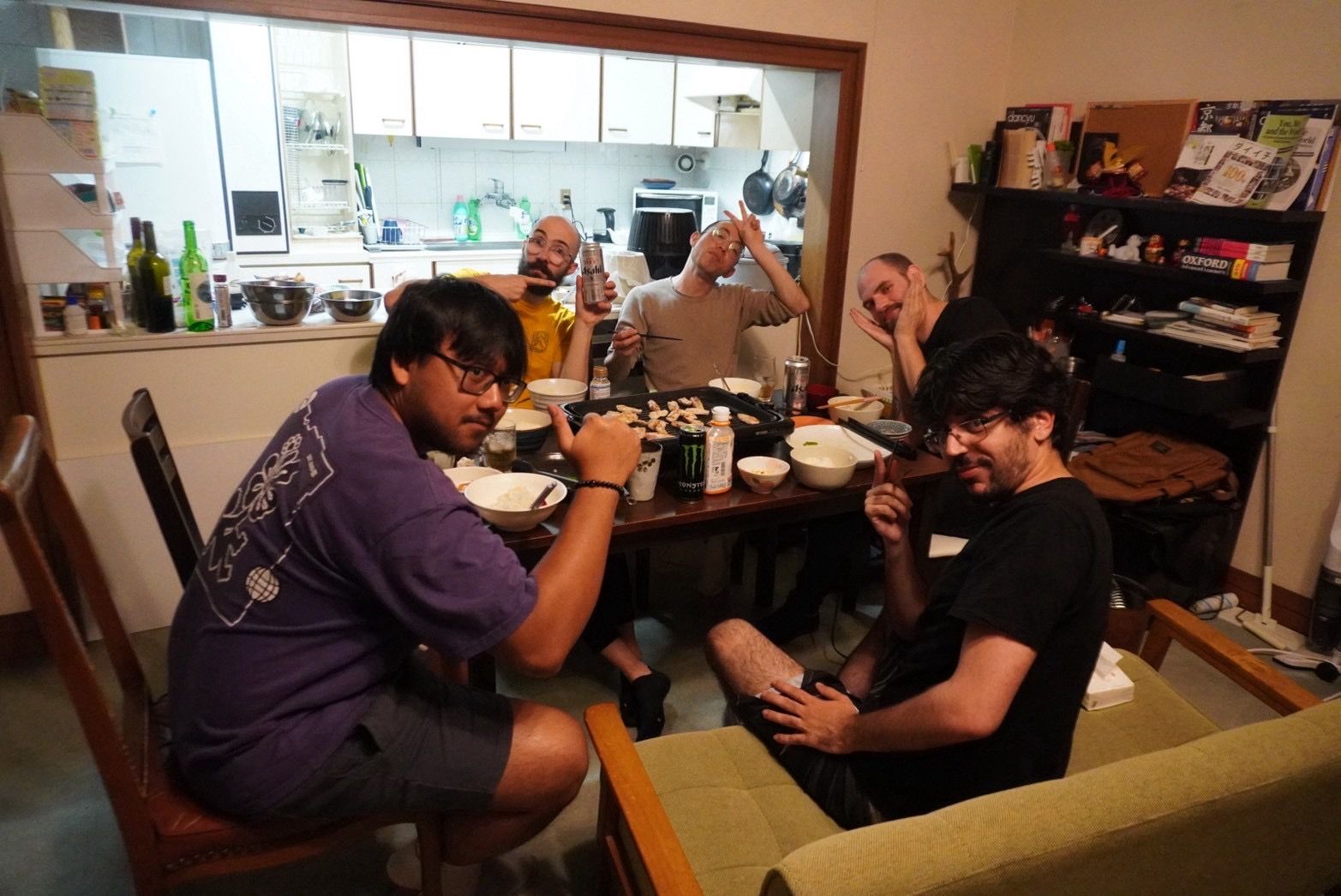
You do not need six refrigerators for six people. You do not need six washing machines. Large pots, kitchen tools, cleaning equipment, and some household items can be shared. Residents may also share ingredients, cook together, or offer each other food.
When you live alone:
furniture, appliances, cleaning, trash, and most household problems are your responsibility.
In a share house:
you can share facilities and, sometimes, help each other with everyday life.
But in exchange, communication becomes necessary.

Maybe Small Inconveniences Create Conversation
“Trash collection is tomorrow.”
“We ran out of detergent, so I bought some.”
“I’ll clean the kitchen tonight.”
These are conversations you would never need to have if you lived alone. But sometimes these very ordinary exchanges lead to:
○ Having dinner together
○ Making weekend plans
○ Simply getting to know each other better
A share house is not a convenient home where somebody else does everything for you. It is a home where daily life does not completely end with yourself. Whether that sounds annoying or interesting says a lot about whether shared living might suit you.
So who is actually suited to share house life?
That is the topic of our final article.


 Instagram
 Twitter
 Facebook
 Note
多様性を楽しみ、ゆったり暮らす。
シェアハウスならカモンアップ
©2022 Come on up inc.