INFOMATIONAbout House tour and move-in

Live with Japanese People
- JP
- EN


Do Share Houses Give Up Privacy? Can You Have Both Personal Space and Community? ~ Column|Share House and Apartment vol.2 ~
2026-10-06
“I’m interested in living in a share house, but I don’t want to be around people all the time.”
This is one of the most common concerns people have.
And it is completely understandable—especially if you have just moved to Japan and already spend your days adjusting to a new language, culture, school, or workplace.
Hello! Come on UP operates small, community-focused international share houses in Tokyo, Yokohama, Osaka, and Kyoto, where Japanese and international residents can naturally connect. Each house has its own concept and atmosphere, creating opportunities for new encounters and a new way of living in Japan.
In a share house you share areas such as the kitchen, living room, bathroom, and sometimes laundry facilities.
But:
you do not share every part of your life.

Is Share House Life Just One Long Party?
Photos on social media often show parties, dinners, and events. That can make share houses look fun. But it can also make some people think:
“Do residents do this every night?”
Actual daily life is usually much more ordinary. Some people come home from work and go straight to their rooms. Some cook dinner, chat for ten minutes, and leave. Some sit in the living room for half an hour before going upstairs to watch Netflix. Everyone has a different rhythm.
Living in a share house does not mean everyone has to spend every evening together.
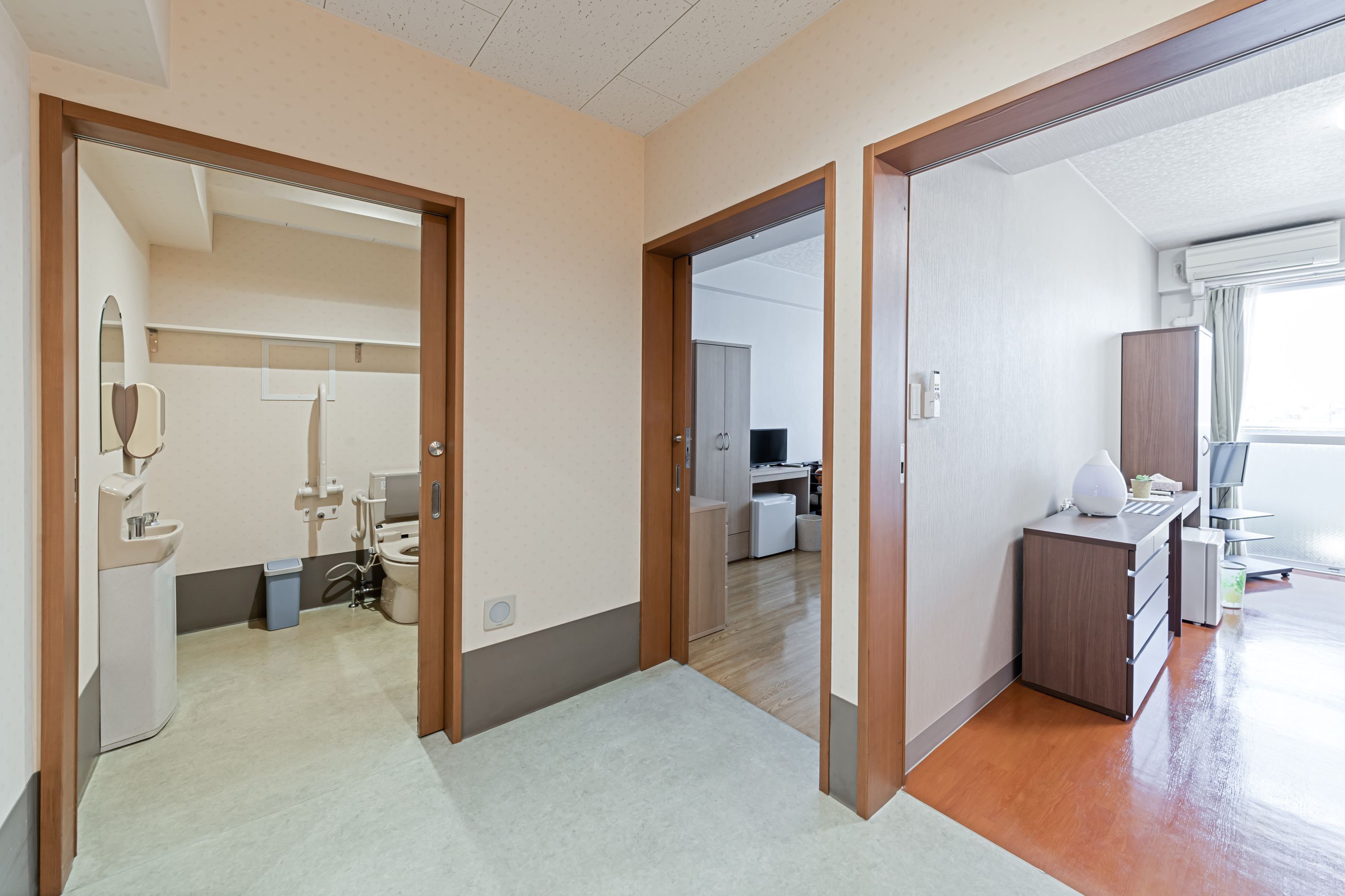
How Important Is Having a Private Room?
If privacy matters to you, one of the most important things to check is whether the property offers private bedrooms.
At Come on UP, residents generally have their own private rooms while sharing spaces such as the kitchen and living room. You can close your door and have your own space. When you feel like talking to someone, you can go to the common area. This ability to switch between:
“my time” and “community time”
is one of the biggest differences between a private-room share house and other communal living styles.
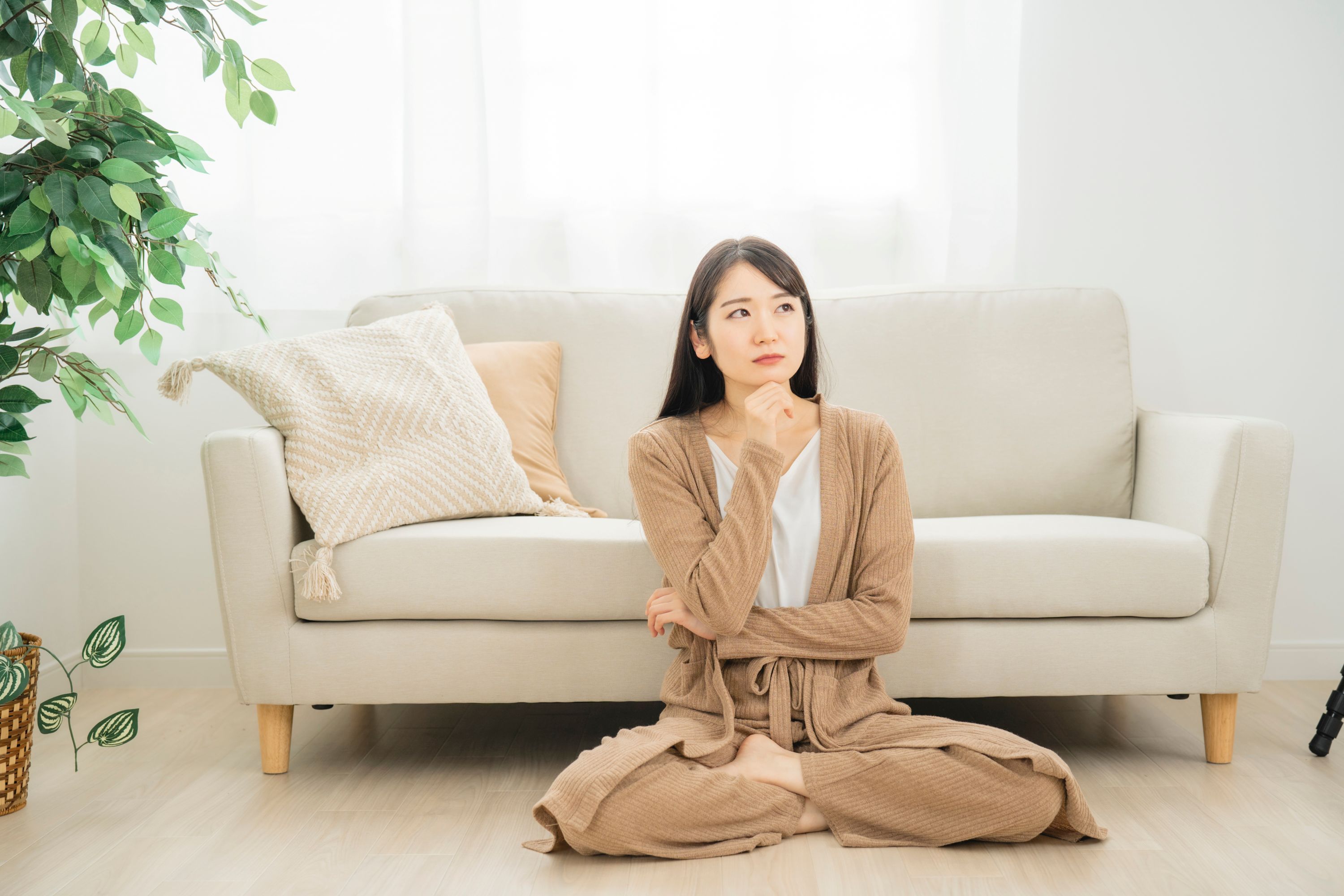
Is Living With 6 People the Same as Living With 30?
Not at all.
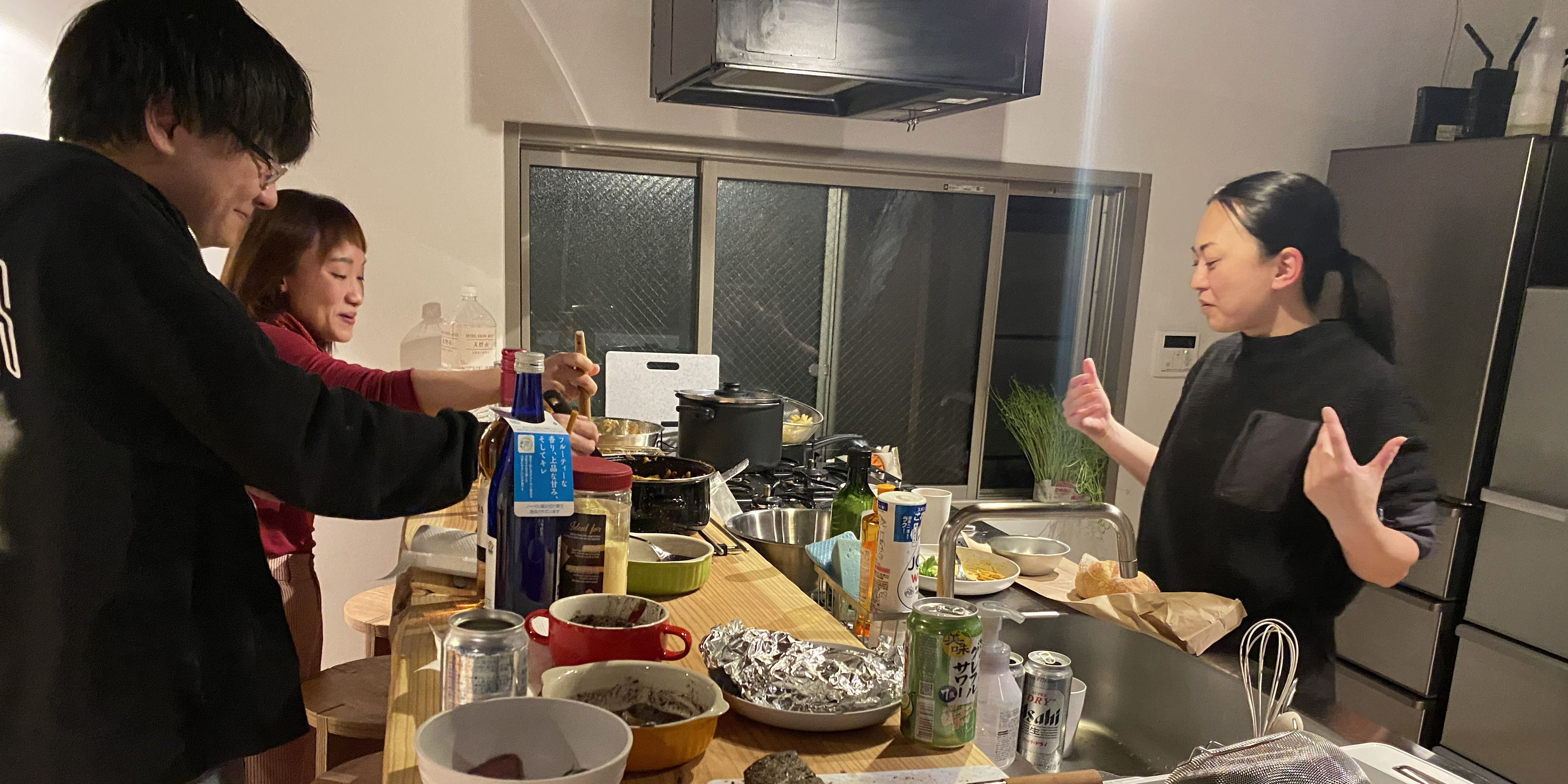
The term “share house” covers many different types of properties. Some large share houses accommodate dozens of residents and offer spacious lounges, gyms, coworking areas, or frequent events.
Come on UP, on the other hand, mainly operates smaller houses of around 5 to 9 residents.
Neither model is automatically better. A large property may offer:
→ More people to meet
→ More events
→ More facilities
A smaller house may offer:
→ A greater chance of learning everyone’s names
→ Seeing the same people regularly
→ Gradually developing deeper relationships
Especially for someone arriving in Japan without an existing social network, that difference can matter.
Maybe Good Community Requires Good Boundaries
It may sound contradictory, but a strong community also needs space. You should be able to say:
“Today I’m exhausted, so I’ll stay in my room.”
And the next day:
“I feel like talking to someone.”
If that balance does not exist, communal living can become tiring.
So when viewing a share house, do not only ask about events or how social everyone is. Also check:
○ Is the private room comfortable?
○ How much sound travels between rooms?
○ How close is the living room to the bedrooms?
○ Do residents generally respect each other’s personal time?
Imagine Coming Home After a Difficult Day
During a viewing, do not just look at whether the living room is stylish. Imagine yourself coming home at 10 p.m. after a long day at school or work.
◎ If you want to be alone, could you relax?
◎ If you feel like talking, would it be easy to join people in the living room?
If you can imagine both situations comfortably, the house may suit you. The appeal of a share house is not:
being with people all the time.
It is having the choice. Living alone means being alone by default. In a share house:
you can choose to spend time alone or choose to connect with someone.
But living with other people also creates another question:
○ Who cleans the kitchen?
○ Who takes out the trash?
○ What happens when someone forgets?
That is what we’ll explore next.


 Instagram
 Twitter
 Facebook
 Note
多様性を楽しみ、ゆったり暮らす。
シェアハウスならカモンアップ
©2022 Come on up inc.