INFOMATIONAbout House tour and move-in

Live with Japanese People
- JP
- EN

Best 5 International Share House Areas in Osaka for Students, Working Holiday Makers & Young Professionals
2026-08-21
You've arrived in Osaka. You've found your university, started your new job, or begun your working holiday. Everything is exciting—but when you come home in the evening, who do you talk to?
Moving to a new country is about more than finding a room. It's also about building a routine, meeting people, understanding local culture, and gradually finding somewhere that feels like home.
What if choosing a place to live could also help you build a community in Japan?
Hello! Come on UP operates small, community-focused international share houses in Tokyo, Yokohama, Osaka, and Kyoto, where Japanese and international residents have opportunities to connect through everyday life.
In this guide, we'll introduce five recommended areas for international share house living in Osaka: Tamagawa, Shin-Osaka, Miyakojima, Senriyama, and Toyonaka. Each offers a different combination of convenience, atmosphere, and opportunities to connect.
Whether you're studying at a university in Osaka, arriving on a working holiday visa, or starting a new job, we'll help you think about which location and lifestyle might suit you best.
Why Choose an International Share House in Osaka?
One of the biggest challenges when moving to Japan is finding opportunities to make friends.
You might meet people at university, work, or language exchange events. But friendships can take time to develop, especially when you're busy adjusting to a new environment.
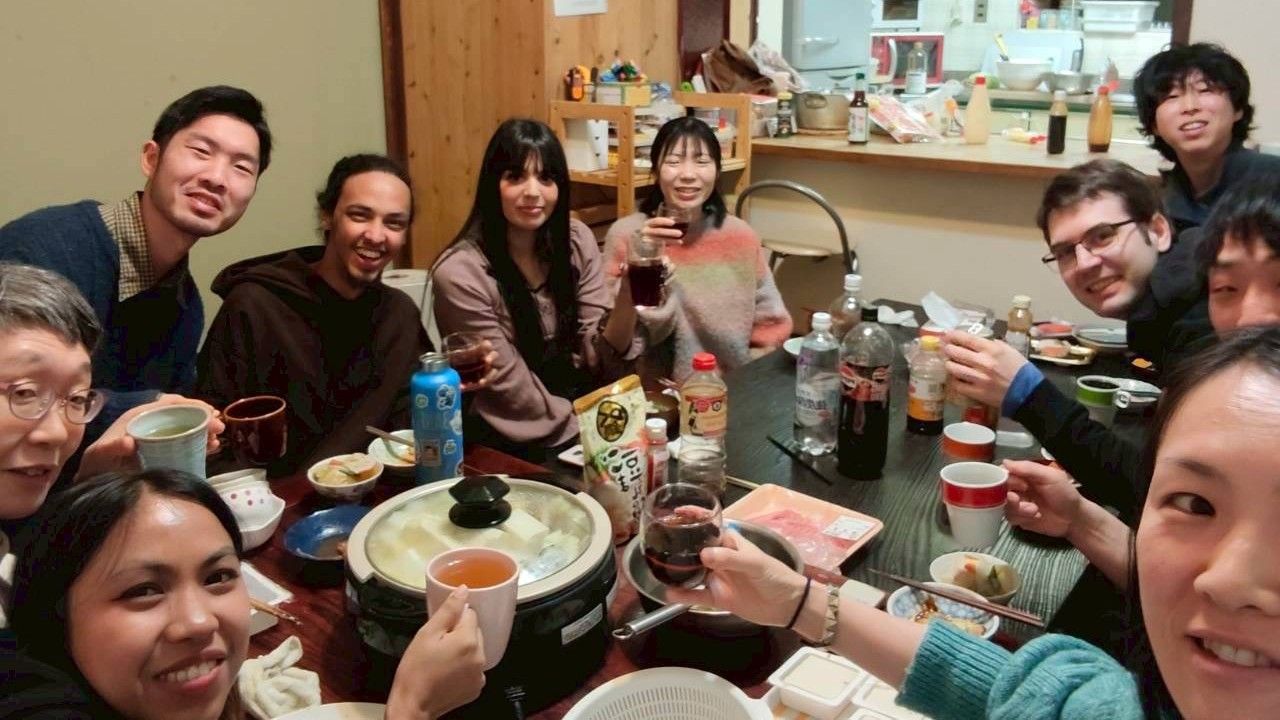
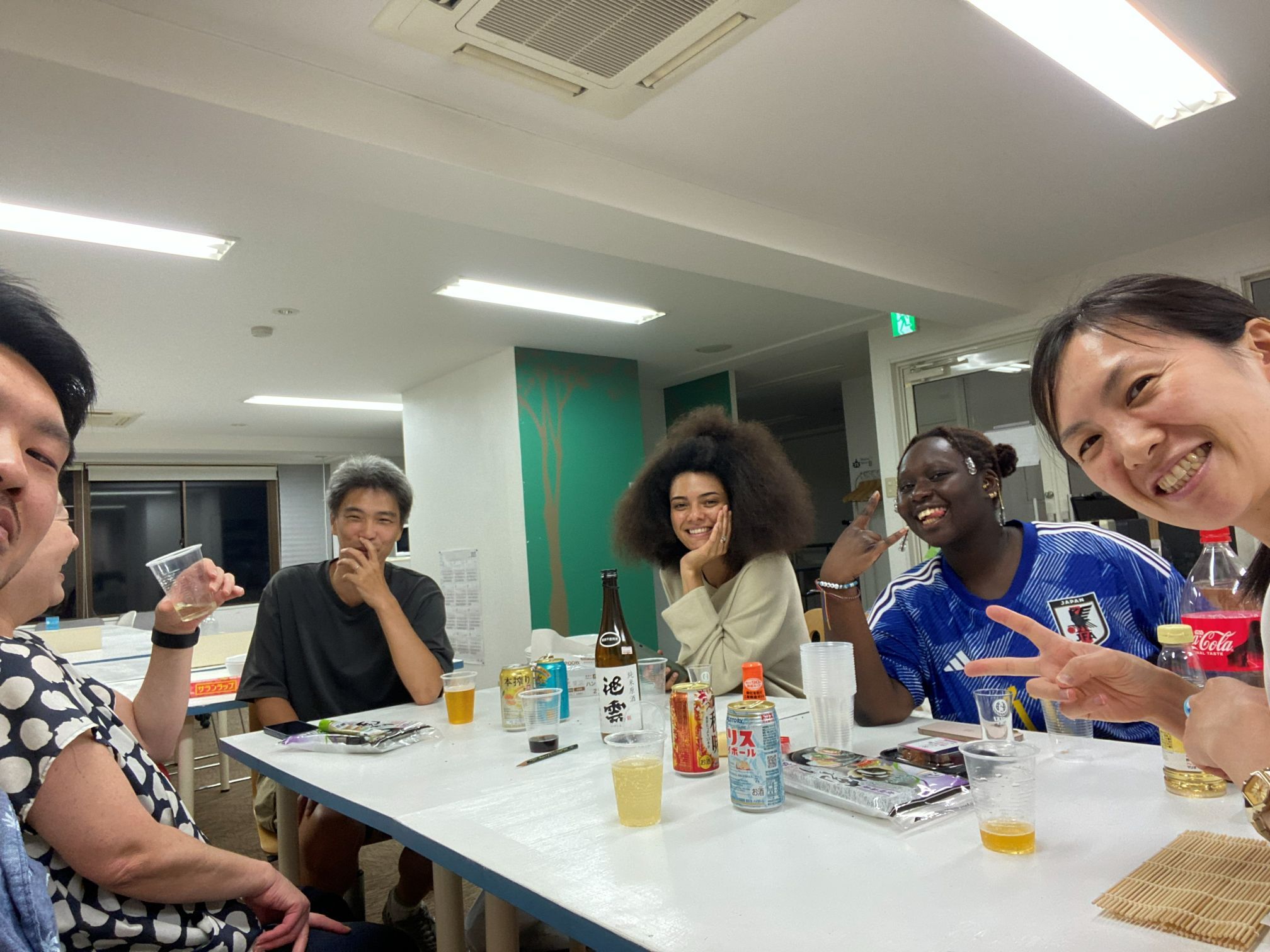
In an international share house, you have more opportunities for casual interaction. Someone might ask how your day went while you're cooking dinner. A housemate could recommend a local festival or invite you to join a weekend outing.
You don't have to organize an event every time you want to spend time with someone. Sometimes, the best memories begin with a simple conversation in the kitchen.
If you're learning Japanese, living with Japanese housemates can give you opportunities to use expressions that aren't always taught in language classes.
You might ask about garbage separation, discuss what to cook for dinner, or learn about a neighborhood event.
At the same time, an international community may include people who can communicate in English or other languages, which can be reassuring when you're new to Japan.
However, the languages spoken and the resident mix vary by house. It's worth asking about the current community rather than assuming everyone speaks English or Japanese fluently.
A share house doesn't have to mean constant socializing.
Come on UP focuses on smaller communities with private bedrooms and shared spaces. You can study or relax in your own room, then join your housemates when you feel like spending time together.
If you're balancing work, language study, or university assignments with a social life, that flexibility can be especially helpful.
For working holiday makers and newly arrived students, even small tasks can feel unfamiliar.
Where can you buy affordable groceries? How does local garbage collection work? Where do people usually go on weekends? How do you begin opening a bank account or arranging a phone plan?
Housemates who have already lived in Japan may be able to share their experiences and practical tips. Official procedures still need to be confirmed with the relevant institutions, but having someone nearby to ask can make settling in feel less overwhelming.
5 Recommended Share House Areas in Osaka
Best for: Young professionals, creative people, and anyone who wants convenient access to central Osaka.
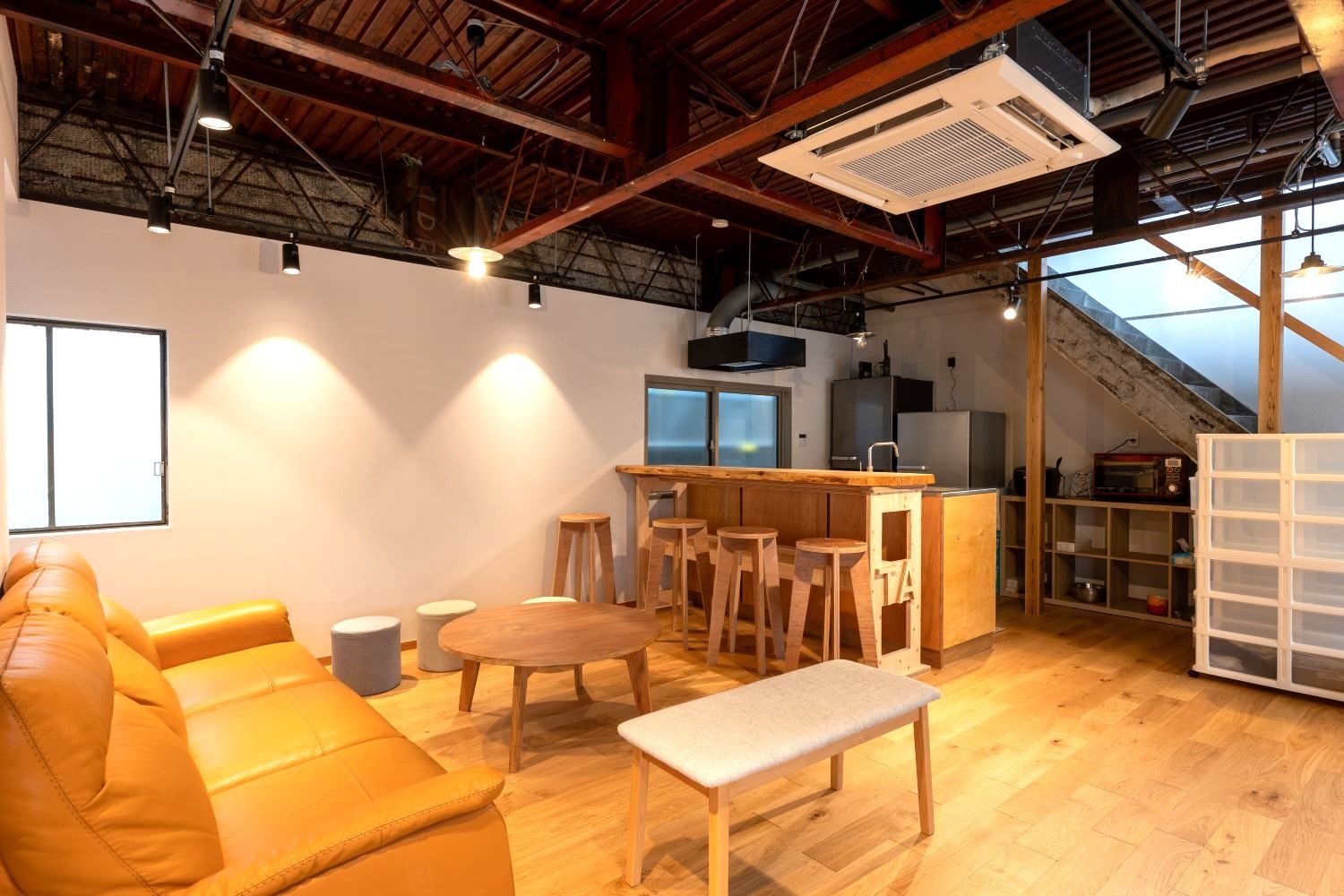
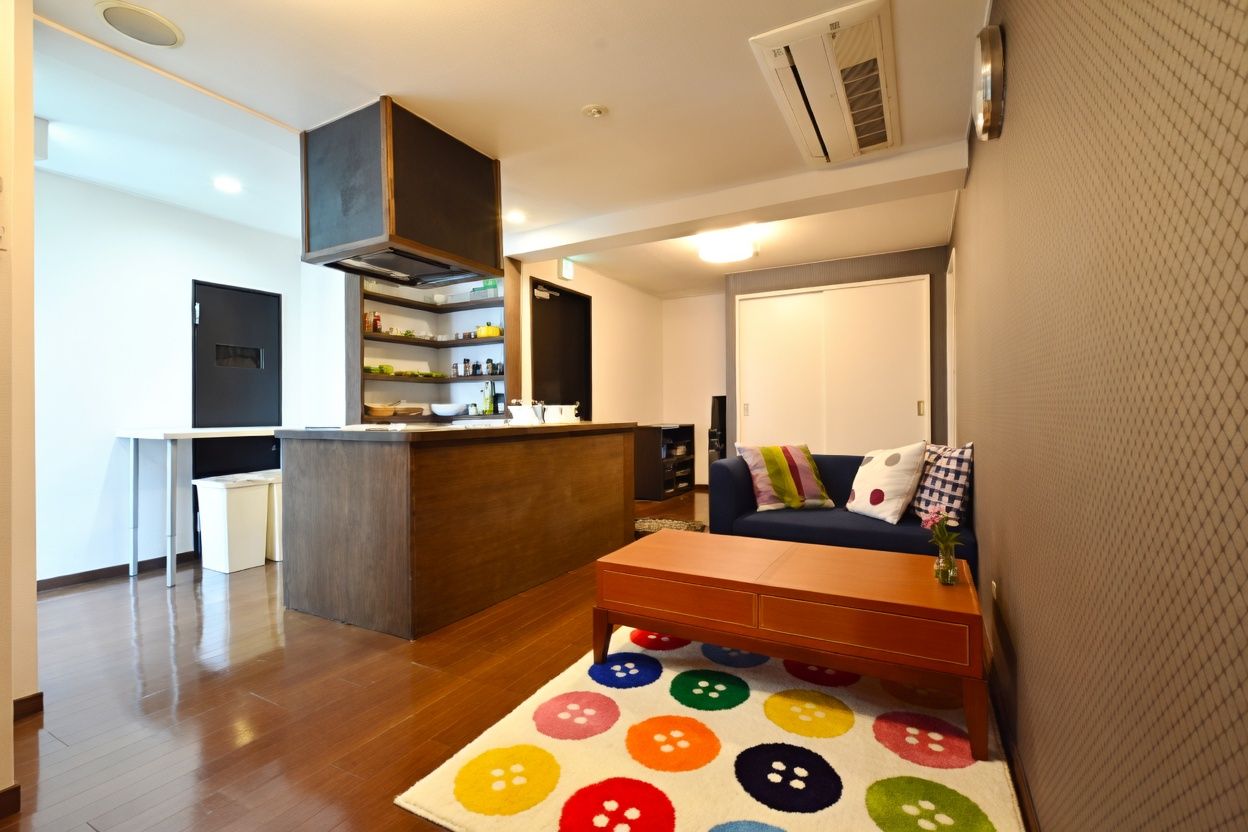
If your ideal home is close to a train station but still has a little personality, take a look at T/A – Tamagawa Assembly.
Located just a one-minute walk from Tamagawa Station on the Osaka Metro Sennichimae Line and a three-minute walk from JR Noda Station, T/A is a convenient option for commuting, studying, and exploring the city.
But its appeal goes beyond location.
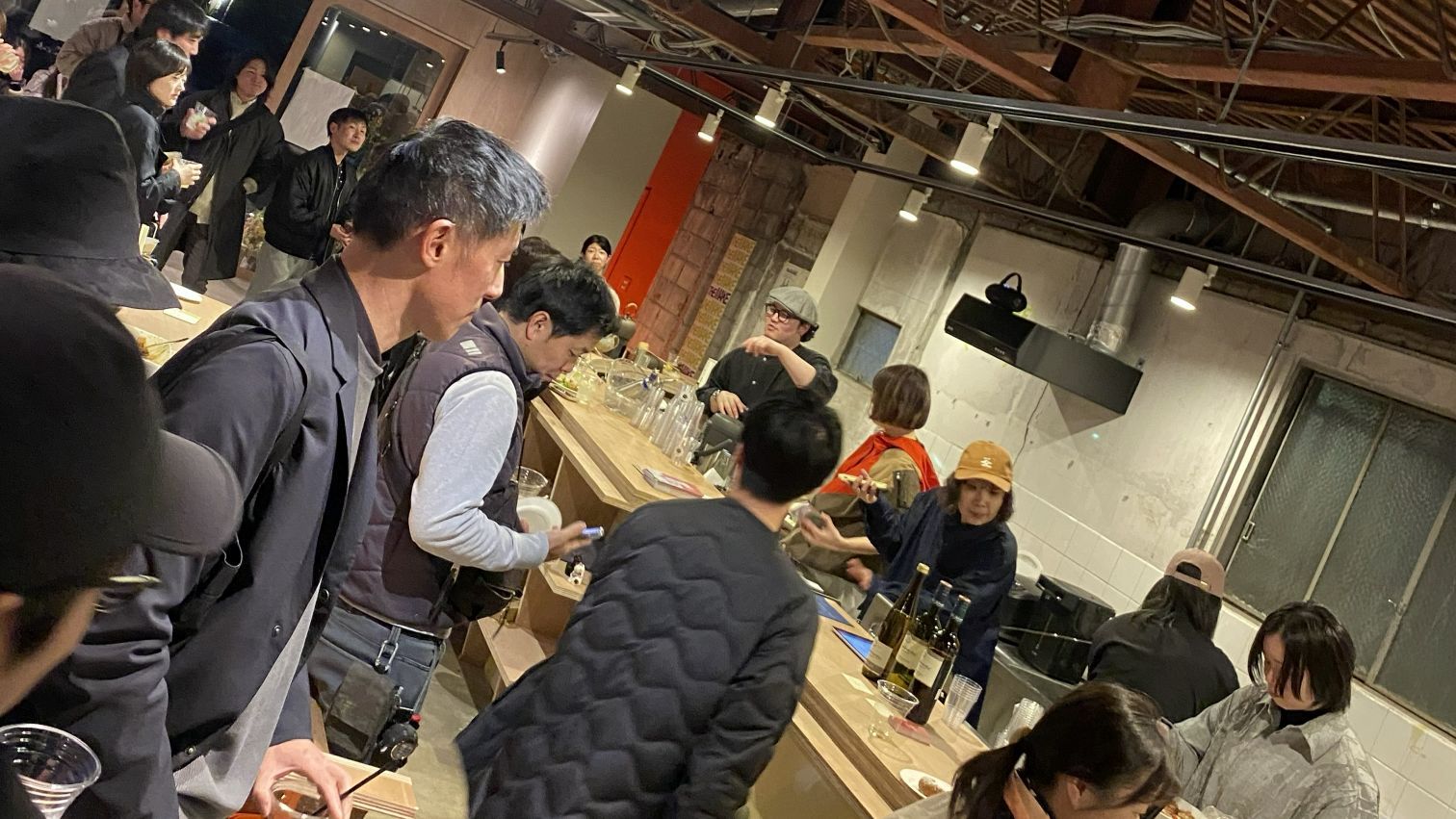
The share house occupies the third floor of a renovated community-oriented building called to, which also includes cafés, shops, and DIY-related spaces. The building is designed around creative activities and connections with the surrounding neighborhood.
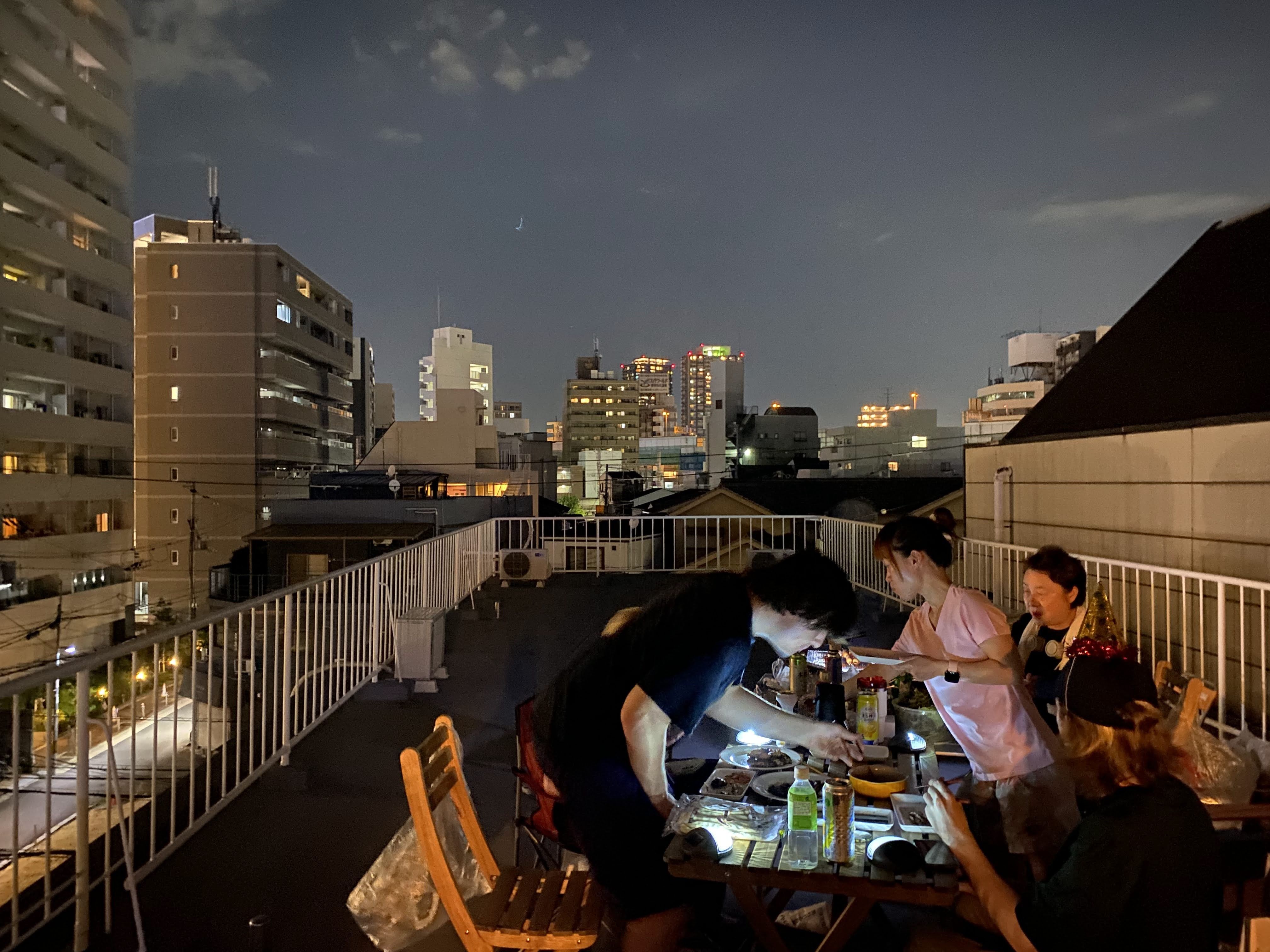
T/A also has a rooftop space where residents can enjoy barbecues and social gatherings.
Imagine finishing work, stopping by a neighborhood café, and returning home to a shared living environment where people from different backgrounds can meet.
If you're hoping to enjoy Osaka's city life while being part of a smaller community, Tamagawa is worth exploring.
Best for: International students, remote workers, digital nomads, and people who frequently travel.
Need somewhere to study outside your bedroom? Or perhaps you're working remotely during your stay in Japan?
Both are located about five minutes on foot from Shin-Osaka Station, which offers JR, Osaka Metro, and Shinkansen connections.
The standout feature is access to a spacious coworking area on the seventh floor, available to residents 24 hours a day. AKA has residential rooms on the sixth floor, while SORA is located on the eighth floor.
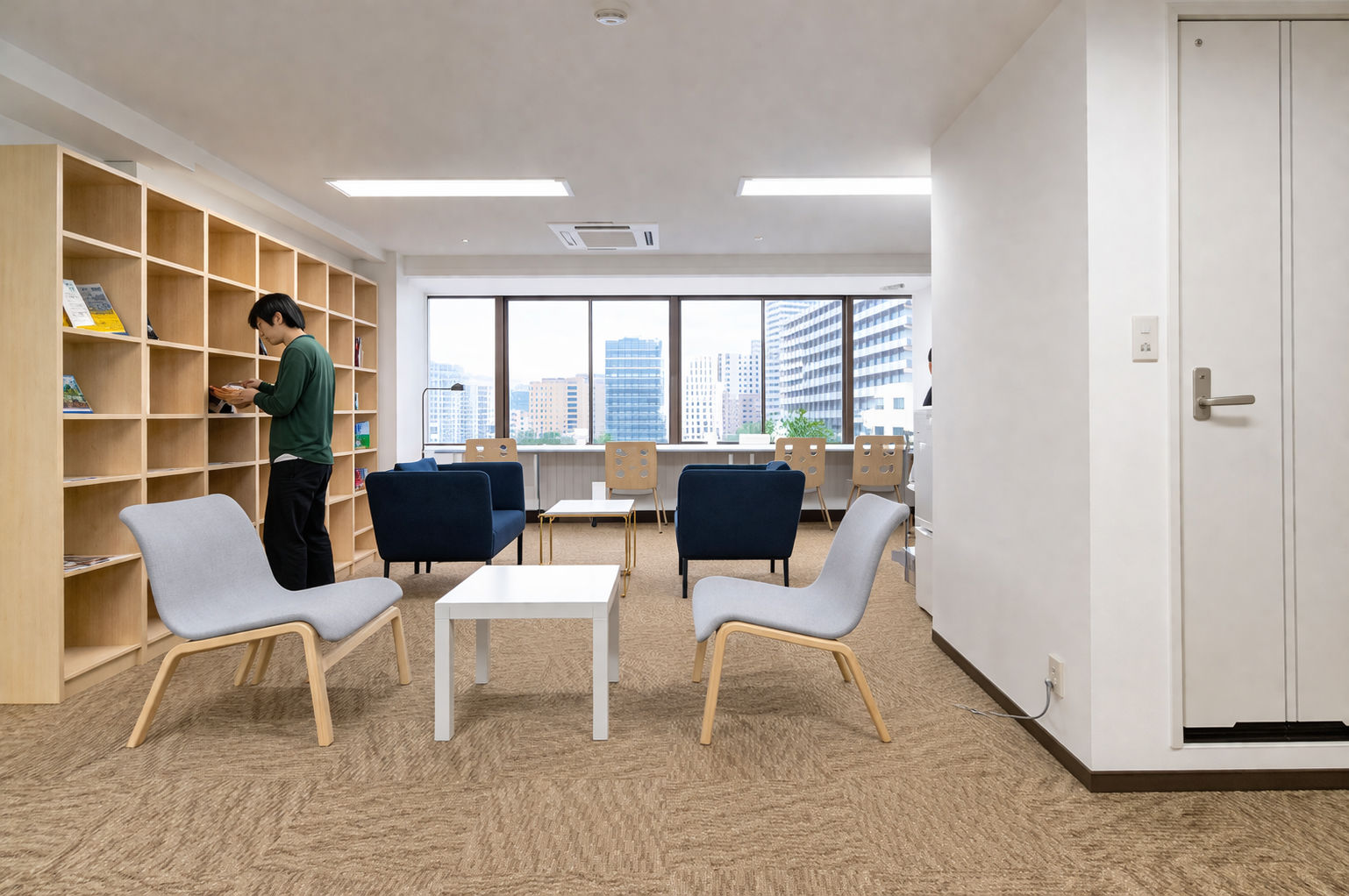
This setup gives you more flexibility than a bedroom alone. You can work on a university assignment, join an online meeting, read, or spend some time in a different environment without leaving the building.
Each residential floor has five rooms, creating a compact living arrangement alongside the larger shared coworking space.
Shin-Osaka is also convenient for exploring other parts of Japan, making it an attractive base if your working holiday includes frequent weekend trips.
If you want a practical home that supports both productivity and travel, the Shin-Osaka houses could be a great match.
Best for: Nature lovers, runners, cyclists, and residents who enjoy a relaxed home atmosphere.
Osaka is known for its lively shopping streets and busy entertainment districts. But what if you could live close to the city while enjoying a river view?
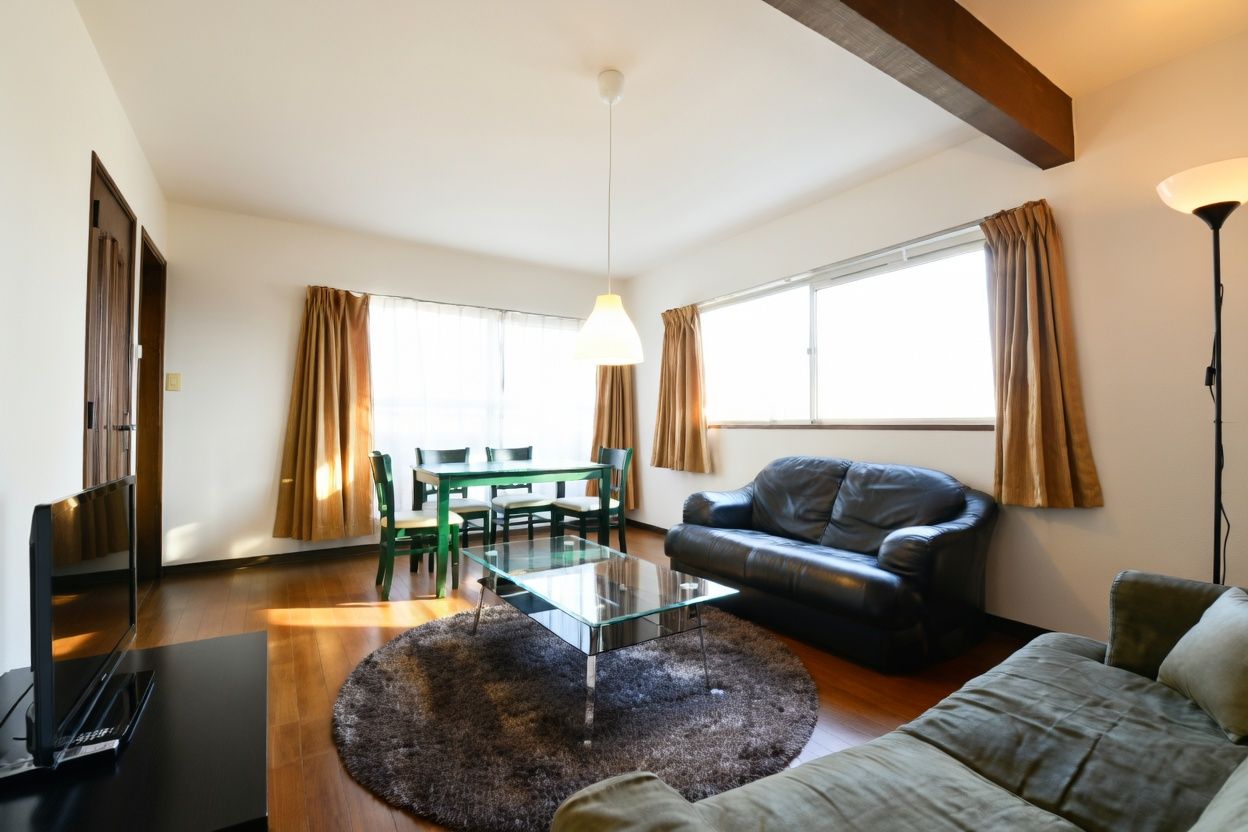
Come on UP Tamatebako is a spacious share house near the Yodo River in Miyakojima.
The three-story building has bright living spaces, a comfortable shared lounge, and a location that makes it easy to enjoy the riverside.
You could start the morning with a walk, go for a run after work, or spend a day off cycling along the river. Meanwhile, areas such as Umeda and Tenjinbashisuji are accessible for shopping, dining, and exploring local Osaka culture.
One thing to consider is that the nearest train station isn't right outside the house. Depending on your daily commute, you may want to use a bus or bicycle, so check the full journey before deciding.
For someone who wants both community life and access to outdoor spaces, Tamatebako offers a different side of Osaka living.
Best for: Students, professionals, and anyone who prefers a calmer residential environment.
If you like the idea of living in Osaka but don't want to be surrounded by busy streets every day, consider Senriyama in Suita City.
The area offers leafy residential neighborhoods and access to the city through nearby train connections.
Two Come on UP houses give you different ways to enjoy life here.
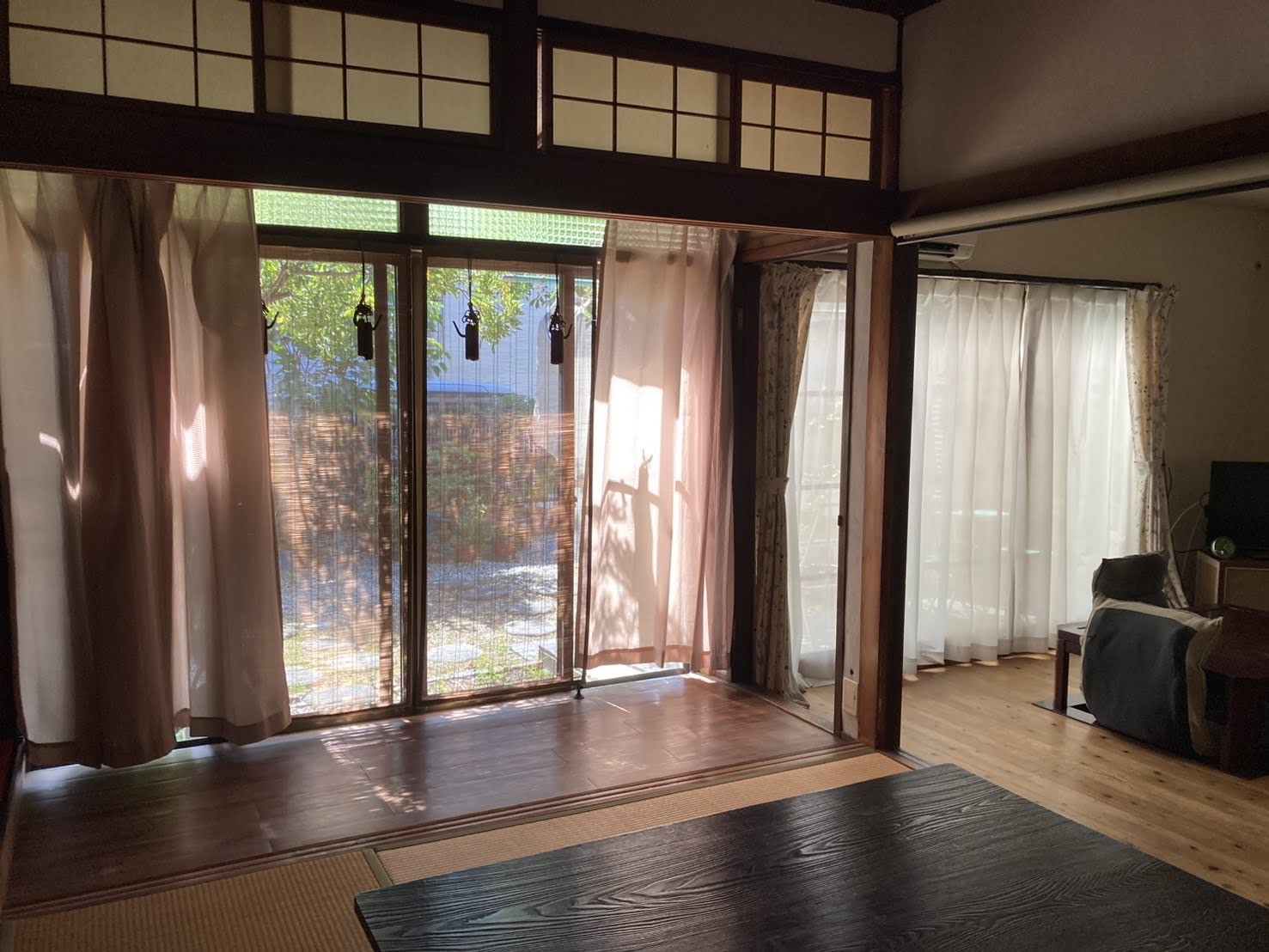
At CHISATO, the highlights are the spacious living room, comfortable private rooms, and a garden surrounded by greenery.
It's the kind of place where you can imagine enjoying coffee outside in the morning, studying in a peaceful setting, and sharing dinner with your housemates in the evening. CHISATO is about a seven-minute walk from Ryokuchi-koen Station and a nine-minute walk from Senriyama Station.
Another option is TSUKI, a six-room share house known for its distinctive blue living room wall and welcoming kitchen.
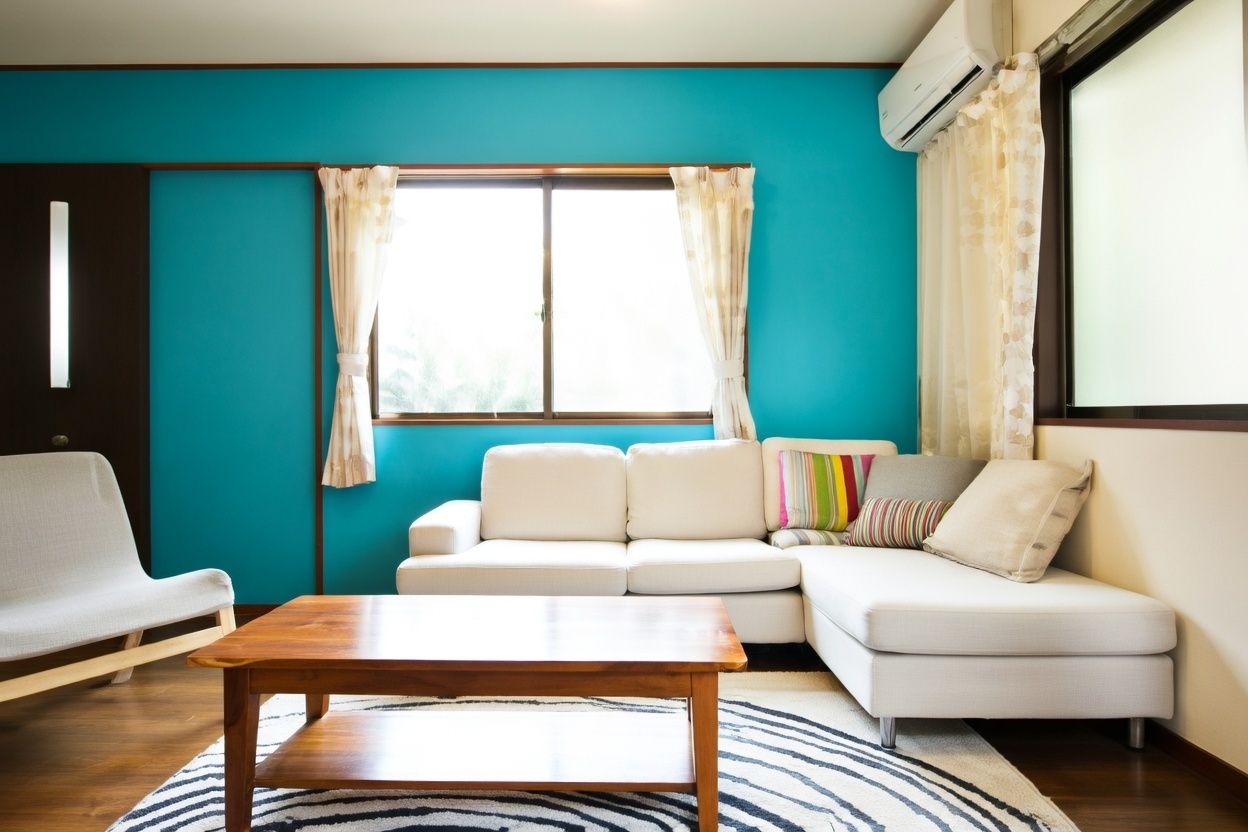
Cooking is an important part of the atmosphere here. When someone starts preparing dinner, it can become an opportunity for other residents to join a conversation, discover a new dish, or share something about their own culture.
If you're looking for a larger living room and garden, CHISATO may appeal to you. If you prefer a cozy, kitchen-centered home, TSUKI could be a better fit.
Both show how international exchange can happen naturally, without requiring a busy social schedule.
Best for: University of Osaka students, researchers, and people who prefer a quiet neighborhood.
If you're attending the University of Osaka or working in northern Osaka, Toyonaka Sakura is worth considering.
The house is located in a quiet residential neighborhood, about a 13-minute walk from Hankyu Toyonaka Station.
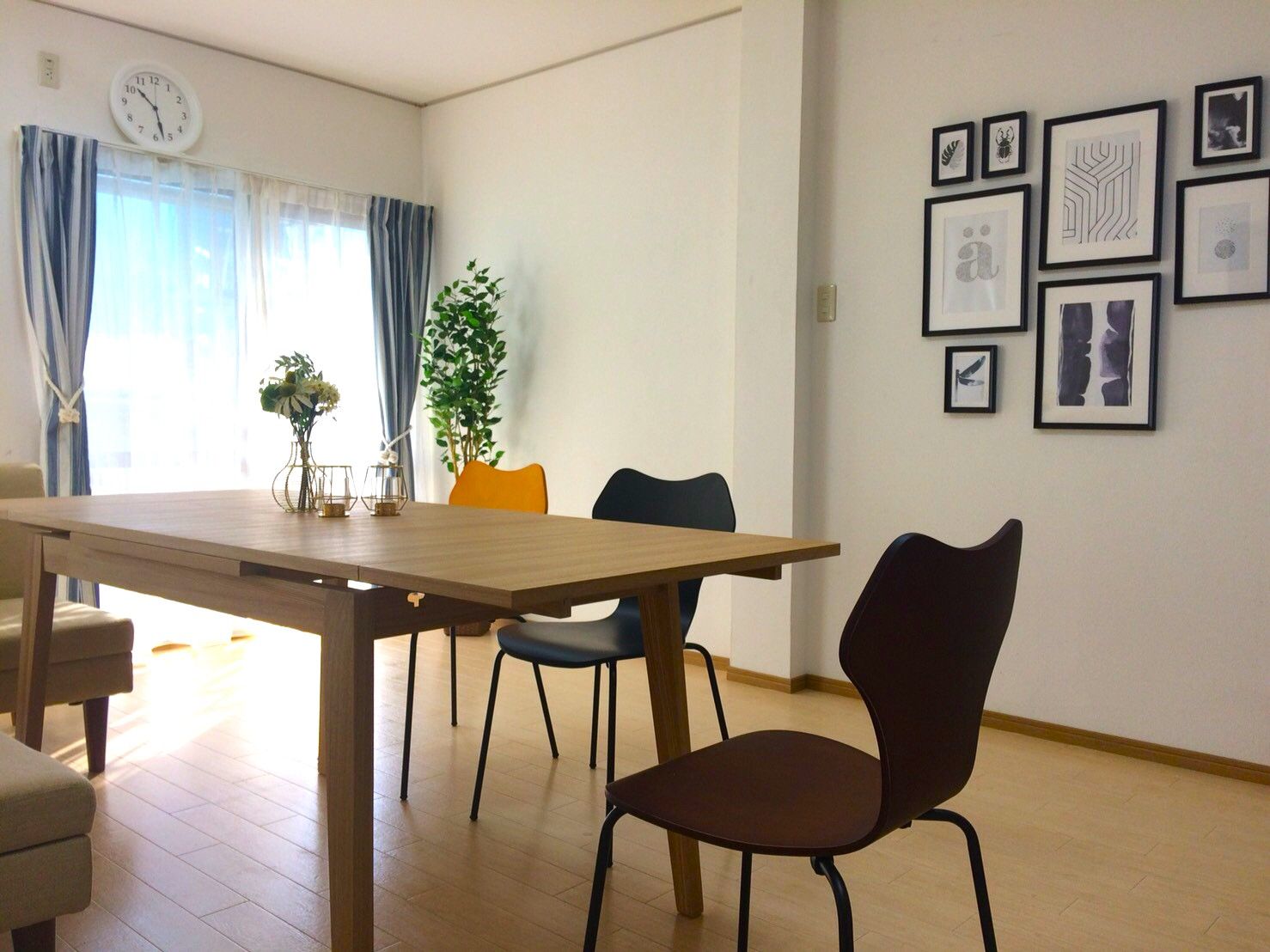
Its bright living room is a welcoming space for shared meals, conversations, or simply relaxing after a long day.
The house has welcomed international students and researchers, making it an appealing environment for people who enjoy sharing ideas and experiences with residents from different backgrounds.
Toyonaka also offers a more relaxed atmosphere than central Osaka, while still providing train access toward Umeda. On your days off, you can explore parks, neighborhood cafés, shopping streets, and nearby cities such as Ikeda.
If you attend the University of Osaka, remember to check which campus you'll be visiting. Travel times can vary significantly depending on the campus and your chosen transport.
For someone who values a balance between studying, quiet time, and international community life, Toyonaka Sakura could be a comfortable place to settle in.
How to Choose the Right Share House in Osaka
Choosing a share house isn't just about finding the lowest rent or the closest station. Think about what your everyday routine will actually look like.
How long will you stay? If you're coming on a working holiday or for a short academic program, check the minimum stay and contract terms. Come on UP offers short-term options, but stays under three months have a different fee structure.
What is your total monthly budget? Look at rent, utilities, initial costs, and any other required expenses rather than comparing the room price alone. You can find more information on our cost and fees page.
Do you need a furnished room? Shared appliances are generally provided, but private-room furniture and bedding arrangements can vary by house and plan. Check exactly what's included before moving in.
What kind of community do you want? Some houses have spacious living areas and gardens. Others offer coworking facilities or easy access to central Osaka. Ask about current residents, commonly spoken languages, house rules, and the atmosphere.
Can you visit before arriving in Japan? Come on UP also offers online house viewings, making it possible to ask questions and see the home while you're still overseas. Read our move-in process guide for the next steps.
Frequently Asked Questions About Share Houses in Osaka
ーCan I live in a share house in Osaka if I don't speak Japanese?ー
You don't necessarily need fluent Japanese to enjoy an international share house. However, the languages commonly spoken depend on the current residents. If you're worried about communication, ask about the house before applying.
ーAre these share houses suitable for working holiday residents?ー
They can be. Share houses offer opportunities to meet people and reduce the number of household items you need to arrange yourself. Just confirm your intended stay length, move-in dates, and contract conditions.
ーWhich area is best for international students?ー
It depends on your school. Toyonaka may be convenient for some University of Osaka students, while Shin-Osaka offers useful transport connections and coworking space. Always check the exact campus and commuting route.
ーCan I have privacy in an international share house?ー
Yes. Come on UP's houses provide private bedrooms alongside shared spaces. However, kitchens, bathrooms, and other facilities may be shared, so consider whether this arrangement suits you.


 Instagram
 Twitter
 Facebook
 Note
多様性を楽しみ、ゆったり暮らす。
シェアハウスならカモンアップ
©2022 Come on up inc.