INFOMATIONAbout House tour and move-in

Live with Japanese People
- JP
- EN

Looking for a Share House in Tokyo Where You Can Use English? Top 5 Recommendations for International Students and Returnees
2026-08-20
Have you just arrived in Tokyo and found yourself wondering:
"How can I meet people and build a community here?"
"I’d love to make Japanese friends and connect with people from different countries while living in Japan."
Moving to a new country can be exciting, but it can also feel surprisingly isolating—especially when you are still getting used to the language, culture, transportation system, and everyday routines.
That is why we recommend international share houses—homes where Japanese locals and international residents live together under one roof.You can chat about your day when you bump into each other in the kitchen, share your thoughts on a movie in the living room, or cook dishes from your home countries on the weekends.
In an international share house, communication and cultural exchange become a natural part of everyday life rather than something you have to actively schedule.For international residents, it can also be a great place to practice Japanese while still having opportunities to communicate in English and other languages.
In this article, we’ll explain the benefits, drawbacks, and key points to consider when choosing an international share house. Then, we’ll introduce 5 recommended share houses in Tokyo where you can enjoy multicultural living and meet people from different backgrounds.
Whether you are an international student, working holiday resident, foreign professional, or simply starting a new chapter of your life in Japan, this guide is for you.

Benefits of Living in an International Share House in Tokyo
Meet People Naturally in Everyday Life
One of the biggest challenges when moving to Tokyo is simply finding opportunities to make friends. You may meet people at school, work, language exchanges, or international events, but building deeper friendships can take time.
In a share house, conversations happen naturally when you return home, cook dinner, relax in the living room, or make plans for the weekend. Instead of meeting someone once at an event and never seeing them again, you gradually get to know your housemates through everyday life.
A quick conversation in the kitchen can turn into dinner together, a weekend trip, or a friendship that continues long after you move out.
Practice Japanese While Still Having an International Environment
If you are learning Japanese, living with Japanese housemates gives you plenty of opportunities to hear and use natural expressions that may not appear in textbooks. You might talk about where to buy groceries, ask how to separate garbage, plan dinner together, or discuss what everyone did over the weekend.
At the same time, many international share houses also have residents who speak English. This can make life much more comfortable when you first arrive in Japan, especially if your Japanese is still limited.
Rather than suddenly being placed in an all-Japanese environment, you can gradually become more confident while enjoying communication in both Japanese and English.
Build Lifelong, Multicultural Friendships
Tokyo is one of the world’s largest cities, but living in a big city does not automatically mean it is easy to make close friends.
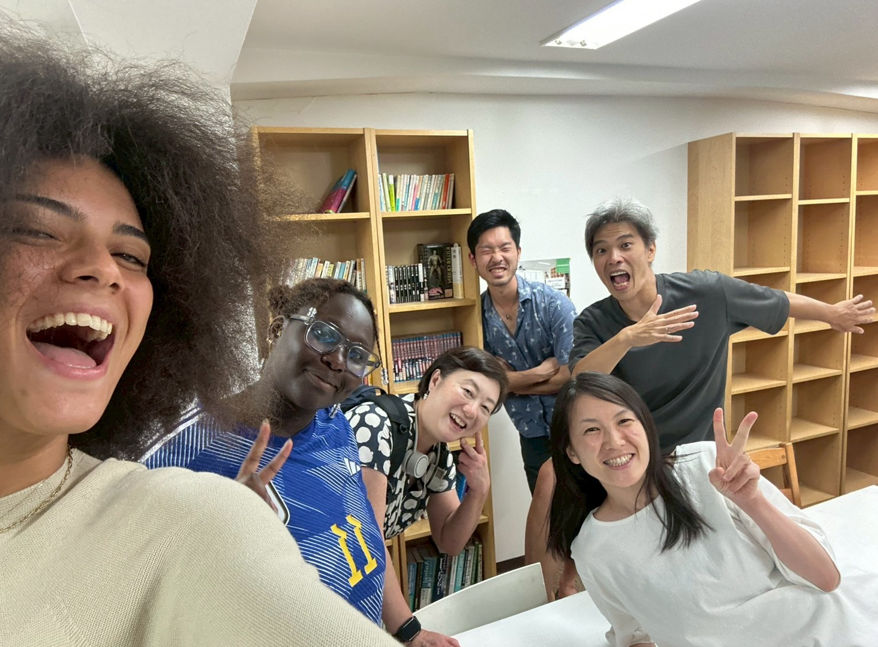
In a share house, living under the same roof gives you time to build meaningful relationships. Sharing meals, going shopping, exploring Tokyo, celebrating birthdays, or traveling together often leads to friendships that continue even after someone moves out or returns to their home country. You may live with Japanese residents who have studied abroad, people on working holidays, international students, or professionals from completely different backgrounds.
That diversity is one of the most unique parts of international share house life.

A Support System for Life in Tokyo
Starting life in Japan can involve many unfamiliar situations.
Which train line should you take?
Where is the nearest affordable supermarket?
How do you separate garbage?
What do you need to do at the ward office?
Where should you go if you need to see a doctor?
Having housemates who already know Tokyo can make these everyday challenges much easier. Japanese residents and long-term foreign residents can often share practical advice, while newly arrived residents bring their own experiences, languages, and cultures into the house.
Ideally, a share house becomes a place where everyone helps each other settle into life in Tokyo.
Save on Furniture and Home Appliance Costs
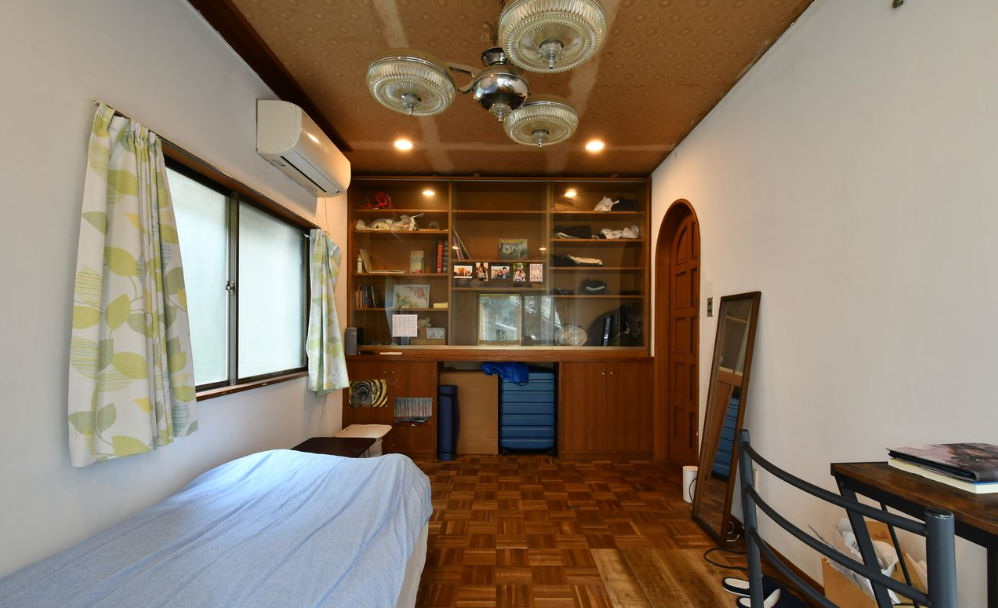
Most share houses come equipped with shared essentials such as refrigerators, washing machines, microwaves, cookware, and dining tables. Private rooms often include basic furniture such as a bed, air conditioner, desk, or storage. Starting a standard apartment lease in Tokyo can require buying many of these items yourself on top of rental deposits and moving costs. This can be a significant burden if you are only staying in Japan for several months or a year.
Moving into a furnished share house can reduce your initial costs and also save you the trouble of selling or disposing of furniture when you eventually leave Japan.
Points to Consider When Choosing a Share House
Small-Scale Properties Can Make It Easier to Build Relationships
Large share houses with dozens of residents can offer impressive facilities and frequent events. However, if your main goal is to build closer relationships with your housemates, a smaller share house may suit you better.
We especially recommend houses designed for around 6 to 10 residents, such as detached houses or smaller apartment-style properties. In a smaller community, it is easier to remember everyone’s names, routines, and interests. You naturally see the same people in the kitchen and living room, which can make conversations and friendships develop more easily.
Of course, if you prefer big parties, frequent events, and meeting lots of new people, a larger share house may still be the better choice.
Check the Current Resident Demographics and Spoken Languages
Before choosing a house, it is worth asking:
The atmosphere of a share house can change significantly depending on who currently lives there. If cultural exchange is important to you, resident demographics can be just as important as the room itself.
Inspect the Location and Size of Common Spaces
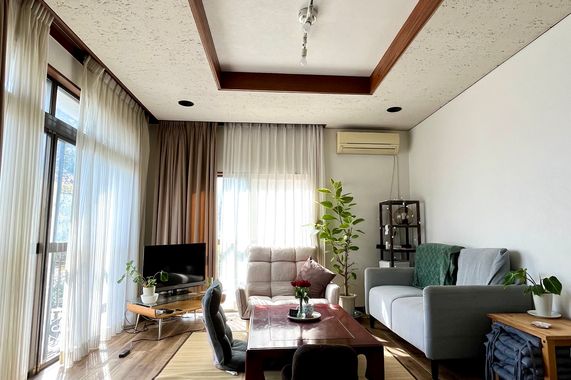
Social interaction depends heavily on the layout of the house, not just its overall size. A comfortable living room or large dining table naturally encourages residents to spend time together. If the common area is small, uncomfortable, or far away from the bedrooms, residents may simply stay in their own rooms.
When visiting a share house, look at the seating arrangement, dining table, kitchen, and distance between private rooms and the shared living space.
Try to imagine:
Would I actually want to spend time here after work or school?
That question can tell you a lot about what daily life in the house will feel like.

Recommended Share Houses in Tokyo


 Instagram
  Twitter
  Facebook
  Note
Note 多様性を楽しみ、ゆったり暮らす。
シェアハウスならカモンアップ
©2022 Come on up inc.